Introduction
The term watershed meaning -ai often goes far beyond its simple dictionary definition. Depending on the context, a watershed can refer to a geographical area that channels water into a common outlet, or it can symbolize a turning point that changes the course of events forever. Understanding the watershed meaning is important because the concept appears in environmental science, geography, history, politics, business, and everyday conversation. Whether discussing river systems, major historical moments, or transformative innovations, the word carries powerful significance.
In this comprehensive guide, you’ll learn what a watershed is, how the term developed, why watersheds are essential for ecosystems and communities, and how the word is used metaphorically in modern language. By the end, you’ll have a clear understanding of the watershed meaning and its practical relevance in both natural and human-made systems.
Quick Overview of Watershed Meaning
Before exploring the topic in depth, it helps to understand the term at a glance.
| Aspect | Meaning |
|---|---|
| Geographic Meaning | Land area where all water drains to a common river, lake, or ocean |
| Environmental Importance | Controls water flow, water quality, and ecosystem health |
| Figurative Meaning | A critical turning point or milestone |
| Common Uses | Geography, environmental science, history, politics, business, and culture |
| Main Purpose | Describes connection, flow, and significant change |
The dual nature of the term makes it one of the most versatile words in the English language.
What Is a Watershed?
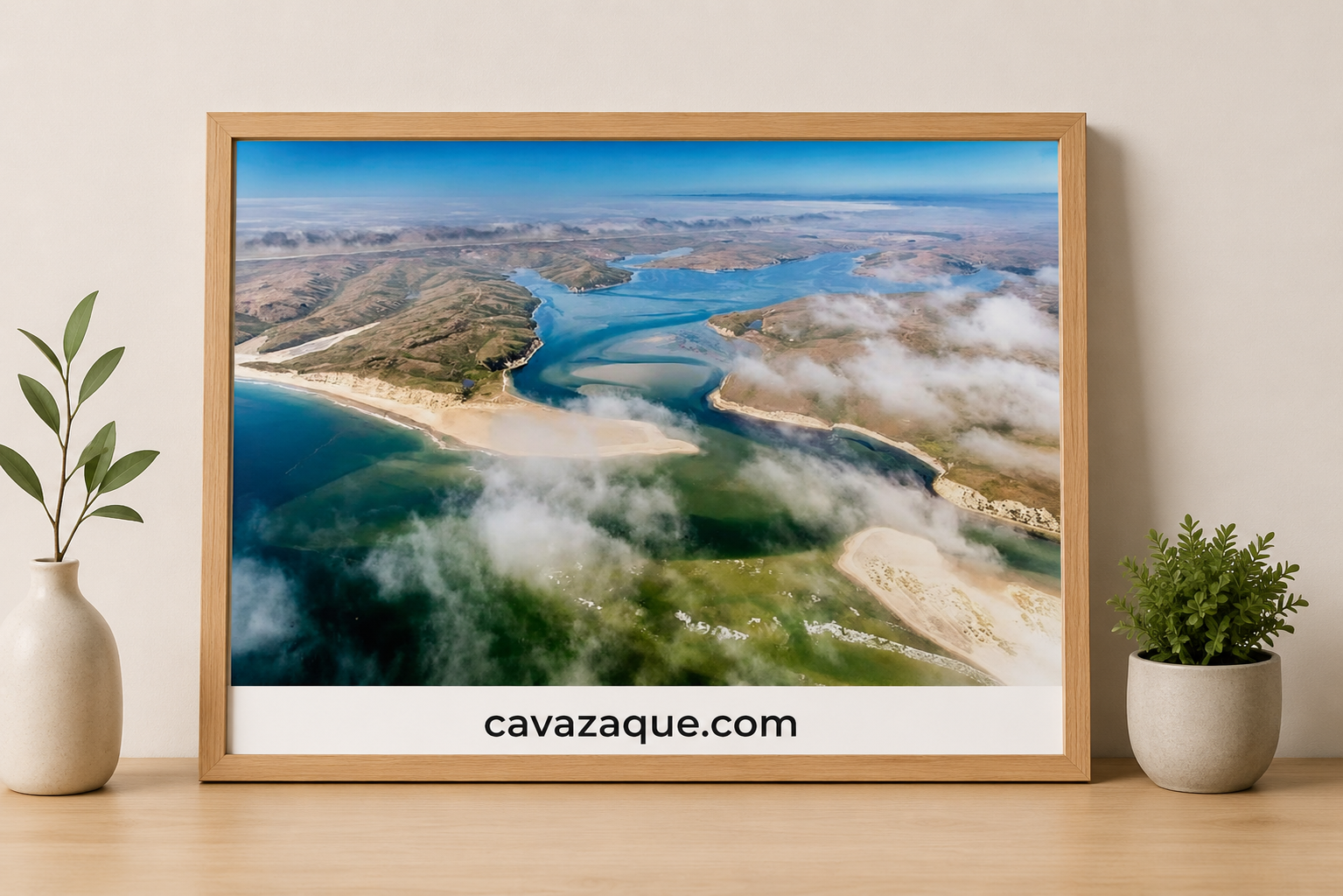
In physical geography, a watershed is an area of land where rainfall, melting snow, and groundwater drain into the same body of water. This body of water may be a river, lake, reservoir, estuary, or ocean.
Imagine rain falling across a mountain region. Some water flows down one side of the mountain into one river, while water on the opposite side enters a different river system. The boundaries separating these drainage areas are known as watershed divides.
Every drop of water follows a path shaped by elevation, terrain, soil composition, and vegetation. Together, these factors determine which watershed the water ultimately enters. This natural process forms the foundation of many ecosystems and influences human settlement patterns around the world.
The Historical Origin of the Term
The word “watershed” originated from older geographical terminology. Historically, it referred to the ridge or divide separating two drainage basins. Over time, especially in North America, the meaning expanded to include the entire drainage area itself.
This evolution reflects how language adapts to practical needs. Scientists, planners, and environmental managers found it useful to describe not only the dividing line but also the complete system through which water moves.
Today, both meanings remain valid, although the drainage-area definition is more commonly used in environmental discussions.
Understanding Watersheds Through a Simple Example
Consider a neighborhood during a rainstorm. Water falling on roofs, streets, lawns, and sidewalks doesn’t simply disappear. Instead, it flows downhill through gutters, drains, streams, and rivers.
Eventually, all that water reaches a larger destination. The entire area contributing water to that destination forms a watershed.
Think of a watershed like a giant funnel. No matter where rain falls within the funnel, gravity guides it toward the same outlet. This analogy helps explain why activities in one location can affect water quality many miles away.
For example, pollution entering a small stream may eventually reach a major river because both are connected within the same watershed.
Why Watersheds Matter
Protecting Water Resources
One of the most important reasons watersheds matter is their role in maintaining freshwater supplies. Communities depend on watersheds for drinking water, agriculture, manufacturing, and recreation.
Healthy watersheds naturally filter pollutants through soil, vegetation, and wetlands. These natural systems reduce contaminants before water reaches rivers and reservoirs.
When watersheds are damaged through excessive development or pollution, water quality often declines. This can increase treatment costs and create environmental challenges for nearby populations.
Supporting Ecosystems
Watersheds serve as the foundation for countless ecosystems. Rivers, wetlands, forests, grasslands, and lakes all interact within watershed boundaries.
Fish rely on clean streams for spawning. Birds depend on wetlands for feeding and nesting. Mammals use watershed habitats for shelter and migration.
Because these ecosystems are interconnected, changes in one area can produce ripple effects throughout the entire watershed.
Reducing Flood Risks
A healthy watershed acts like a sponge. Forests, wetlands, and natural landscapes absorb rainfall and release it gradually.
When natural vegetation is removed, water flows more rapidly across the land surface. This can increase erosion and flood risks downstream.
Effective watershed management helps communities reduce flood damage while preserving natural ecological functions.
Components of a Watershed
Understanding the watershed meaning becomes easier when examining its major components.
| Component | Function |
|---|---|
| Rivers and Streams | Transport water through the system |
| Lakes and Reservoirs | Store and regulate water |
| Wetlands | Filter pollutants and absorb excess water |
| Forests | Reduce erosion and improve infiltration |
| Soil | Stores and filters water |
| Groundwater | Supplies water beneath the surface |
| Watershed Divide | Separates one drainage basin from another |
Each component contributes to the overall health and functionality of the watershed.
Types of Watersheds
Not all watersheds are the same. They vary dramatically in size, geography, climate, and ecological characteristics.
Small Watersheds
Small watersheds may cover only a few square miles. They often drain into local streams or lakes and can respond quickly to rainfall events.
Because of their size, environmental changes within these watersheds can have immediate impacts on water quality and flow patterns.
Large Watersheds
Large watersheds encompass vast regions and multiple river systems. They may include thousands of smaller sub-watersheds.
Major river basins often cross state, provincial, or national boundaries, requiring cooperation among many stakeholders.
Coastal Watersheds
Coastal watersheds drain directly into oceans, bays, or estuaries. These systems are particularly important because they influence marine environments.
Pollution originating far inland can eventually reach coastal waters through interconnected watershed networks.
Watershed Meaning in Environmental Science
Environmental scientists use watersheds as practical units for studying ecological processes.
Instead of focusing on political boundaries, researchers often examine entire watersheds because water naturally connects all areas within them. This approach provides a more complete understanding of environmental conditions.
For example, scientists investigating declining fish populations may study water quality, land use, rainfall patterns, and habitat conditions throughout the entire watershed rather than within a single city or county.
This systems-based perspective has become a cornerstone of modern environmental management.
Human Activities That Affect Watersheds
Human actions can significantly influence watershed health.
Urban development often increases impermeable surfaces such as roads and parking lots. These surfaces prevent water from soaking into the ground, increasing runoff and erosion.
Agricultural practices may contribute nutrients, pesticides, and sediment to waterways. While farming remains essential for food production, sustainable methods can help minimize environmental impacts.
Industrial activities can also affect watersheds through water withdrawals, discharges, and land-use changes.
The challenge lies in balancing economic development with environmental stewardship.
Common Sources of Watershed Pollution
A few major pollution sources frequently impact watersheds:
- Urban runoff from roads, parking lots, and construction sites
- Agricultural runoff containing fertilizers, pesticides, and sediment
Addressing these issues often requires coordinated efforts among governments, businesses, and local communities.
Watershed Management and Conservation
Watershed management involves protecting and improving water resources through coordinated planning and action.
Successful conservation programs recognize that every part of a watershed is connected. Activities upstream can influence conditions downstream, sometimes hundreds of miles away.
Conservation strategies often include restoring wetlands, planting trees, reducing pollution, improving agricultural practices, and protecting sensitive habitats.
Many communities now adopt watershed-based approaches because they provide more comprehensive solutions than isolated environmental projects.
Watershed Meaning Beyond Geography
The watershed meaning is not limited to environmental science. The word is frequently used metaphorically to describe a major turning point.
In this context, a watershed event marks a moment after which things are fundamentally different.
For example, historians might describe a significant political revolution as a watershed moment because it permanently altered the direction of a nation. Business leaders may refer to a groundbreaking innovation as a watershed development within an industry.
The metaphor works because it mirrors the geographical concept. Just as water flows in a new direction after crossing a divide, events may follow a new path after a transformative moment.
Examples of Watershed Moments
Many famous events are often described as watershed moments because of their lasting impact.
The invention of the internet transformed communication, commerce, and education worldwide. Similarly, major scientific discoveries have changed humanity’s understanding of the universe.
In personal life, a watershed moment might include graduating from college, starting a business, moving to a new country, or overcoming a significant challenge.
These moments create clear distinctions between what came before and what follows afterward.
Watersheds and Climate Change
Climate change has intensified interest in watershed science.
Changes in temperature and precipitation patterns affect how water moves through landscapes. Some regions experience increased flooding, while others face prolonged droughts.
Watersheds help scientists understand these changing conditions because they integrate multiple environmental processes into a single system.
Healthy watersheds can also improve resilience by storing water, reducing flood risks, and supporting biodiversity during periods of environmental stress.
As climate-related challenges grow, watershed protection is becoming increasingly important for communities around the globe.
The Future of Watershed Protection
The future of water security depends heavily on effective watershed management.
Advances in technology now allow scientists to monitor water quality, track land-use changes, and predict environmental impacts with greater accuracy than ever before.
At the same time, public awareness continues to grow. Communities increasingly recognize the value of protecting rivers, wetlands, forests, and groundwater resources.
Future success will likely depend on collaboration among governments, businesses, researchers, and citizens. Since watersheds connect diverse landscapes and populations, solutions must be equally interconnected.
Conclusion
The watershed meaning encompasses both a physical and symbolic concept. Geographically, a watershed is the land area that directs water toward a shared destination, shaping ecosystems, water supplies, and environmental health. Figuratively, it represents a defining moment that changes the course of events.
Understanding watersheds helps explain how natural systems function and why environmental stewardship matters. It also enriches our understanding of language by revealing how a geographical concept became a powerful metaphor for transformation and change.
Whether viewed through the lens of science, history, business, or personal growth, the idea of a watershed reminds us that connections matter. Small actions can influence larger outcomes, and critical turning points can shape the future in profound ways.
Frequently Asked Questions (FAQs)
1. What is the simple meaning of a watershed?
A watershed is an area of land where all water drains to the same river, lake, or other body of water. It functions like a natural collection system for rainfall and runoff.
2. Why are watersheds important?
Watersheds provide drinking water, support wildlife habitats, reduce flood risks, and help maintain water quality. They are essential for both environmental and human well-being.
3. What is a watershed moment?
A watershed moment is a significant event that creates a major change or turning point. It marks a clear shift between the past and the future.
4. Can human activities damage watersheds?
Yes. Pollution, deforestation, urban development, and poor land management can harm watersheds by degrading water quality and disrupting natural processes.
5. How can people help protect watersheds?
People can reduce pollution, conserve water, support habitat restoration, properly dispose of waste, and participate in local environmental initiatives that protect water resources.