Introduction
The art of how to make kahelelani shell jewelry has fascinated collectors, artisans, and cultural enthusiasts for generations. These tiny, colorful shells, found primarily in the waters surrounding Hawaii, are treasured for their beauty, rarity, and deep cultural significance. Creating jewelry from kahelelani shells is much more than a craft—it is a tradition that connects people to the ocean, history, and Hawaiian heritage.
Many beginners are drawn to kahelelani shell jewelry because of its delicate appearance and unique natural colors. However, learning how to work with these tiny shells requires patience, attention to detail, and an understanding of proper collection and preparation techniques. Whether you want to create necklaces, leis, bracelets, or heirloom-quality pieces, understanding the process from start to finish is essential.
This comprehensive guide explores everything you need to know about how to make kahelelani shell jewelry, including shell selection, cleaning, drilling, stringing methods, design considerations, and preservation techniques. By the end, you’ll have a clear understanding of this beautiful art form and the skills needed to begin creating your own stunning shell creations.
What Are Kahelelani Shells?
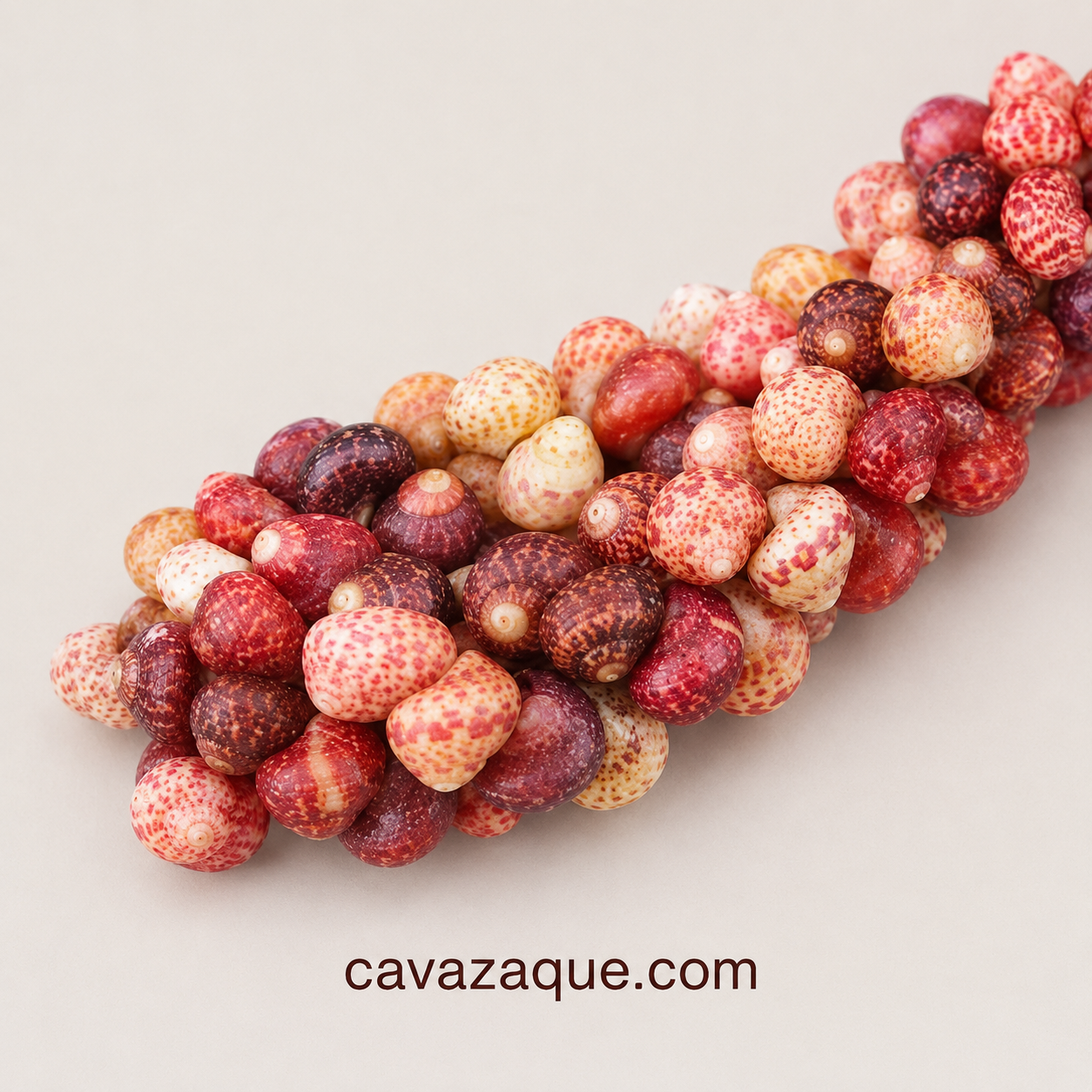
Kahelelani shells are tiny marine shells found predominantly around the Hawaiian Islands, especially on the island of Niihau. These shells are famous for their vibrant natural colors, ranging from white and yellow to burgundy, pink, and deep red. Their small size and rarity make them highly prized among shell collectors and jewelry makers.
Unlike larger decorative shells commonly used in beach crafts, kahelelani shells are often only a few millimeters in size. Their delicate structure requires careful handling throughout the jewelry-making process. Because naturally colored shells are increasingly difficult to find, authentic kahelelani shell jewelry is often considered a valuable collectible.
Historically, shell jewelry played an important role in Hawaiian culture. Families would spend countless hours gathering, sorting, and stringing shells into intricate leis and adornments. Today, the tradition continues, preserving both artistic techniques and cultural heritage.
Quick Reference Guide to Kahelelani Shells
| Feature | Details |
|---|---|
| Origin | Hawaiian Islands |
| Typical Size | 2–8 mm |
| Common Colors | White, yellow, pink, burgundy, red |
| Primary Use | Jewelry and shell leis |
| Collection Method | Hand gathering from beaches and shoreline areas |
| Difficulty Level | Intermediate to advanced |
| Cultural Significance | Strong connection to Hawaiian traditions |
Understanding the Cultural Importance of Kahelelani Shell Jewelry
Before learning how to make kahelelani shell jewelry, it’s important to appreciate its cultural value. In Hawaiian communities, shell leis often represent love, respect, celebration, and family connections. They are commonly exchanged during graduations, weddings, birthdays, and other significant life events.
The process of creating shell jewelry is often viewed as an act of patience and dedication. Some elaborate shell leis require thousands of carefully matched shells and hundreds of hours of labor. As a result, these pieces are cherished not only for their appearance but also for the time and commitment invested in their creation.
Many artisans pass shell-stringing techniques from one generation to the next. This transfer of knowledge helps preserve cultural traditions while allowing modern artists to express creativity through new designs and patterns.
How to Make Kahelelani Shell Jewelry: Essential Materials
Learning how to make kahelelani shell jewelry begins with gathering the proper materials. Using quality tools can significantly improve both the appearance and durability of your finished piece.
The most important material is, of course, the shells themselves. Ideally, shells should be naturally intact, free from major cracks, and sorted by size and color. Consistency in shell selection helps create a more professional-looking design.
Additional materials typically include fine beading needles, strong nylon thread, magnification tools, tweezers, small storage containers, and a gentle cleaning solution. Because kahelelani shells are so small, working in a well-lit area is highly recommended.
A dedicated workspace can also improve efficiency. Many experienced shell artisans organize shells into separate containers according to color shades and sizes before beginning any jewelry project.
Collecting Kahelelani Shells Responsibly
Shell collection requires both patience and environmental awareness. Responsible gathering helps protect marine ecosystems and ensures future generations can enjoy these natural treasures.
The best time for shell hunting is often after high tides or ocean swells, when fresh shells are washed onto shore. Collectors typically walk slowly along sandy beaches, carefully examining small shell deposits and shoreline debris.
It’s important to collect only empty shells. Living marine creatures should never be removed from their natural habitat. Ethical collecting practices support conservation efforts and help maintain healthy coastal environments.
Many experienced collectors recommend carrying small containers or compartment boxes to prevent fragile shells from breaking during transport.
Cleaning and Preparing the Shells
Proper preparation is one of the most critical steps in the jewelry-making process. Even beautiful shells can lose their appeal if they are not thoroughly cleaned.
Begin by rinsing the shells in fresh water to remove sand and salt residue. Some artisans soak shells briefly in mild soapy water, followed by several fresh-water rinses. Strong chemicals should generally be avoided because they can damage delicate shell surfaces and natural coloration.
After cleaning, allow the shells to dry completely. Moisture trapped inside shells may weaken thread over time or contribute to discoloration.
Once dry, sort the shells according to color, size, and shape. This stage often requires considerable patience but greatly improves the final appearance of the jewelry.
Sorting Shells for Professional-Looking Designs
One secret behind exceptional shell jewelry lies in meticulous sorting. Professional artisans may spend hours arranging shells before stringing even begins.
Color grading is especially important. Rather than grouping shells into broad categories such as red or yellow, experienced makers often separate them into subtle shade variations. This allows for smoother color transitions and more sophisticated patterns.
Size consistency is equally important. Uniform shell sizes help maintain balanced spacing and improve the overall flow of a necklace or lei.
Some artists create gradient effects, while others design geometric patterns or symbolic motifs using carefully arranged shell colors. The possibilities are virtually endless.
Drilling Tiny Kahelelani Shells
Drilling is often the most challenging aspect of learning how to make kahelelani shell jewelry. Because the shells are extremely delicate, improper drilling can cause breakage.
Most artisans use precision micro-drills specifically designed for jewelry work. The shell should be secured gently during drilling to minimize movement. Applying too much pressure increases the risk of cracking.
Some collectors prefer naturally holed shells because they eliminate the need for drilling altogether. These shells are highly valued due to the additional labor they save.
When drilling, maintaining consistent hole placement helps ensure a more uniform final product. Practice on less valuable shells before working with rare specimens.
Stringing Techniques for Kahelelani Shell Jewelry
Stringing transforms individual shells into wearable art. Several techniques can be used depending on the desired style and complexity.
Simple strand designs involve threading shells sequentially onto durable nylon thread. More advanced designs may incorporate multiple strands, braided patterns, or intricate shell arrangements.
Tension control is critical during stringing. If the thread is too tight, shells may crack. If it is too loose, the finished piece may appear uneven or fragile.
Many artisans periodically inspect their work during assembly to ensure consistency and correct any alignment issues before proceeding further.
Common Jewelry Types Made from Kahelelani Shells
| Jewelry Type | Difficulty | Typical Time Required |
|---|---|---|
| Bracelet | Beginner | 2–5 hours |
| Necklace | Intermediate | 8–20 hours |
| Shell Lei | Advanced | 50–300+ hours |
| Earrings | Beginner | 1–3 hours |
| Decorative Art Piece | Advanced | Varies greatly |
Creating Beautiful Color Patterns
One of the most rewarding aspects of shell jewelry making is designing color arrangements. The natural shades found in kahelelani shells provide remarkable artistic flexibility.
Some creators prefer monochromatic designs that highlight subtle variations within a single color family. Others create dramatic contrasts using reds, whites, yellows, and burgundy tones.
Gradient designs are especially popular. Similar to a sunset transitioning across the horizon, shell colors gradually shift from one shade to another, creating visual depth and elegance.
Experimentation often leads to unique artistic discoveries. Keeping a design journal can help document successful color combinations for future projects.
Common Mistakes Beginners Should Avoid
Every artisan encounters challenges when learning this craft. Understanding common mistakes can accelerate the learning process considerably.
A frequent error involves inadequate shell sorting. Rushing through preparation often leads to inconsistent designs and visual imbalance. Taking extra time during organization usually produces better results.
Another mistake is using weak thread. Because shell jewelry may represent dozens or even hundreds of hours of work, investing in durable materials is worthwhile.
Beginners also tend to overcomplicate their first projects. Starting with simple bracelets or short necklaces allows skills to develop naturally before attempting large shell leis.
Patience remains the most valuable asset throughout the entire process.
Preserving and Caring for Kahelelani Shell Jewelry
Proper care helps ensure shell jewelry remains beautiful for years or even generations. Although shells are natural materials, they can be surprisingly delicate when exposed to harsh conditions.
Store jewelry in a dry, padded container away from direct sunlight. Excessive heat and moisture can weaken thread and potentially affect shell coloration over time.
Avoid wearing shell jewelry during swimming, bathing, or strenuous physical activity. Saltwater, chlorine, and impact can damage both shells and stringing materials.
Periodic inspection is recommended. Checking for loose shells or worn thread allows repairs before significant damage occurs.
Many treasured shell leis become family heirlooms because they receive careful maintenance and respectful handling.
Why Kahelelani Shell Jewelry Remains Highly Valued
The enduring appeal of kahelelani shell jewelry stems from a combination of rarity, craftsmanship, and cultural meaning. Unlike mass-produced accessories, each shell piece reflects countless individual decisions made during collection, sorting, and assembly.
The scarcity of naturally colored shells further increases their desirability. In some cases, artisans spend months gathering enough matching shells for a single project.
Collectors also appreciate the uniqueness of every creation. No two shell leis or necklaces are exactly alike because nature never produces identical shells.
This blend of natural beauty and human artistry continues to attract admirers from around the world.
Conclusion
Learning how to make kahelelani shell jewelry is a rewarding journey that combines artistry, patience, and cultural appreciation. From responsibly collecting shells and carefully cleaning them to sorting colors, drilling delicate pieces, and creating intricate patterns, every step contributes to the beauty of the final product.
The process requires dedication, but the results are extraordinary. Handmade kahelelani shell jewelry carries a sense of authenticity and craftsmanship that few other art forms can match. Whether you’re creating a simple bracelet or an elaborate shell lei, attention to detail will always make a difference.
By respecting traditional techniques, using quality materials, and practicing consistently, anyone can develop the skills needed to create meaningful and visually stunning shell jewelry. Each finished piece becomes more than an accessory—it becomes a celebration of nature, heritage, and creative expression.
Frequently Asked Questions (FAQs)
1. What are kahelelani shells used for?
Kahelelani shells are primarily used to create jewelry such as necklaces, bracelets, earrings, and traditional Hawaiian shell leis. Their natural colors make them highly decorative and collectible.
2. Are kahelelani shells rare?
Yes. Naturally colored kahelelani shells are considered relatively rare due to their small size, limited geographic distribution, and increasing scarcity in collection areas.
3. How long does it take to make a kahelelani shell lei?
A traditional shell lei can take anywhere from several weeks to many months depending on complexity, shell availability, and the artisan’s experience level.
4. Do I need special tools to make kahelelani shell jewelry?
Basic projects require thread, needles, sorting containers, and cleaning supplies. More advanced work may involve micro-drills, magnification tools, and specialized jewelry equipment.
5. How should kahelelani shell jewelry be stored?
Store it in a dry, protective container away from direct sunlight and excessive humidity. Proper storage helps preserve both the shells and the stringing materials.