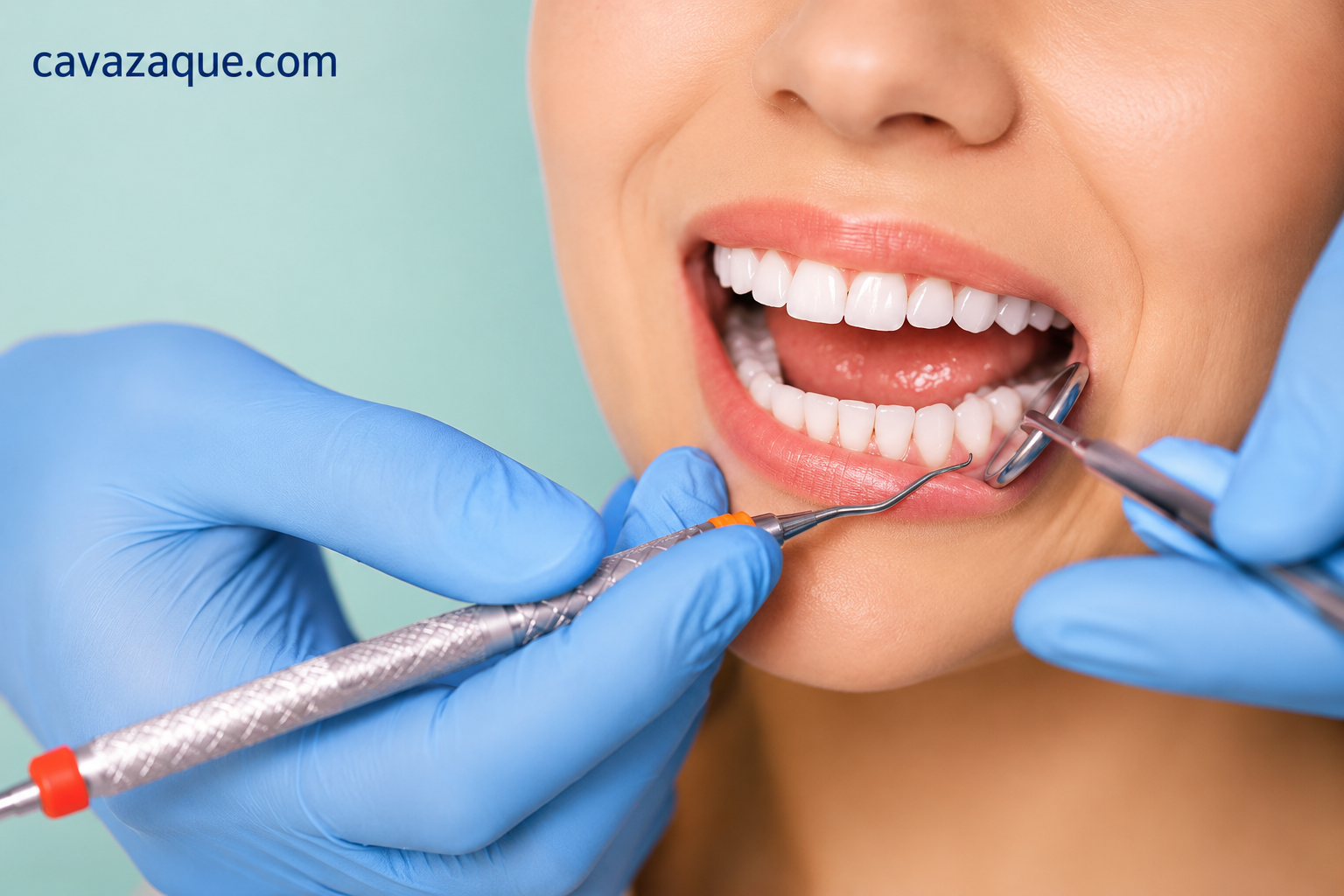
Introduction
A confident smile can transform the way people see you and, more importantly, the way you see yourself. Small dental imperfections such as chipped teeth, gaps, discoloration, or uneven edges can affect appearance and self-esteem. Fortunately, modern cosmetic dentistry offers simple and effective solutions, and tooth bonding has become one of the most popular options for improving smiles without extensive dental work.
Unlike complex restorative procedures, tooth bonding is a minimally invasive treatment that can often be completed in a single dental visit. It provides a cost-effective way to repair cosmetic flaws while preserving most of the natural tooth structure. Whether someone wants to fix a chipped front tooth, close a small gap, or improve tooth color, this treatment offers impressive results with little downtime.
This comprehensive guide explores everything about tooth bonding, including how it works, its benefits, limitations, costs, maintenance requirements, and how it compares with other cosmetic dental procedures. By the end, readers will have a clear understanding of whether tooth bonding is the right solution for their dental needs.
What Is Tooth Bonding?
Tooth bonding is a cosmetic dental procedure that uses a tooth-colored composite resin material to repair, reshape, or improve the appearance of teeth. The resin is carefully applied to the tooth surface, sculpted into the desired shape, and then hardened using a special curing light.
The term “bonding” refers to the way the composite material adheres directly to the tooth. Once hardened and polished, the resin blends seamlessly with the surrounding enamel, creating a natural-looking result.
Dentists commonly recommend bonding for cosmetic improvements, but it can also serve restorative purposes. Because the procedure typically requires little to no removal of healthy tooth structure, it is considered one of the most conservative cosmetic dental treatments available.
Quick Facts About Tooth Bonding
| Feature | Details |
|---|---|
| Procedure Type | Cosmetic and restorative |
| Treatment Time | 30–60 minutes per tooth |
| Anesthesia Needed | Usually not required |
| Material Used | Composite resin |
| Longevity | 3–10 years on average |
| Recovery Time | Minimal to none |
| Reversible | Often yes, depending on treatment |
How Tooth Bonding Works
The tooth bonding process is relatively straightforward compared to many other dental procedures. The dentist begins by selecting a resin shade that closely matches the natural tooth color.
Next, the surface of the tooth is gently roughened to create better adhesion. A conditioning liquid is then applied to help the bonding material attach securely. The composite resin is placed onto the tooth and carefully molded to achieve the desired shape and contour.
After shaping the resin, the dentist uses a curing light to harden the material. Once fully set, the bonded area is trimmed, adjusted, and polished until it matches the appearance and texture of the surrounding teeth.
The final result is a smooth, natural-looking restoration that often becomes virtually indistinguishable from the original tooth.
Common Reasons People Choose Tooth Bonding
People seek dental bonding for many different cosmetic and functional concerns. The versatility of the procedure makes it suitable for a wide range of dental imperfections.
One of the most common reasons is repairing chipped teeth. Even a small chip can become noticeable, especially on front teeth. Bonding restores the missing structure while maintaining a natural appearance.
Another frequent application involves closing small gaps between teeth. Instead of pursuing lengthy orthodontic treatment for minor spacing issues, some individuals choose bonding to create a more uniform smile.
Dentists also use bonding to improve tooth shape, cover stains resistant to whitening treatments, and protect exposed tooth roots caused by gum recession.
Cosmetic Issues That Bonding Can Address
- Chipped or cracked teeth
- Small gaps between teeth
- Tooth discoloration
- Irregular tooth shape
- Minor tooth length discrepancies
- Exposed tooth roots
Benefits of Tooth Bonding
One reason tooth bonding remains so popular is its combination of affordability, convenience, and aesthetic appeal.
Minimally Invasive Treatment
Unlike veneers or crowns, bonding typically requires very little alteration of the natural tooth. Preserving healthy enamel is an important advantage because natural tooth structure can never be fully replaced.
Fast Results
Many cosmetic dental procedures require multiple appointments. Bonding can often be completed during a single visit. Patients walk into the office with imperfections and leave with a noticeably improved smile.
Cost-Effective Solution
For individuals seeking cosmetic enhancement without significant financial investment, bonding often represents one of the most accessible treatment options available.
Natural Appearance
Modern composite materials are designed to mimic natural enamel. Skilled dentists can sculpt and polish the resin to blend seamlessly with neighboring teeth.
Painless Procedure
Most patients experience little discomfort during treatment. Since minimal drilling is involved, anesthesia is usually unnecessary unless bonding is being used to fill a cavity.
The Tooth Bonding Procedure Step by Step
Understanding the treatment process can help patients feel more comfortable before their appointment.
Initial Consultation
The dentist evaluates oral health, discusses cosmetic goals, and determines whether bonding is the most suitable treatment option.
Shade Matching
A color guide is used to select a resin shade that closely resembles the patient’s natural teeth.
Tooth Preparation
The tooth surface is lightly textured and conditioned to improve bonding strength.
Resin Application
The composite material is applied, shaped, and sculpted according to the desired outcome.
Curing Process
A specialized ultraviolet or LED light hardens the resin within seconds.
Finishing Touches
The bonded area is polished to create a smooth finish that matches the natural luster of enamel.
The entire process is typically completed in less than an hour per tooth, making it one of the quickest cosmetic dental procedures available.
Tooth Bonding vs. Veneers
Patients often compare tooth bonding with porcelain veneers because both improve smile aesthetics. However, there are important differences.
| Feature | Tooth Bonding | Porcelain Veneers |
|---|---|---|
| Cost | Lower | Higher |
| Treatment Time | Usually one visit | Multiple visits |
| Durability | Moderate | High |
| Stain Resistance | Moderate | Excellent |
| Tooth Alteration | Minimal | More extensive |
| Repairability | Easy | More complex |
Bonding is often ideal for minor cosmetic corrections, while veneers may be better suited for individuals seeking a long-term smile makeover involving multiple teeth.
How Long Does Tooth Bonding Last?
The lifespan of tooth bonding varies based on several factors, including oral hygiene habits, eating patterns, and the location of the bonded tooth.
In general, bonding can last between three and ten years before requiring maintenance or replacement. Front teeth exposed to heavy biting forces may experience more wear over time.
Regular dental checkups play an important role in monitoring the condition of bonded teeth. Small repairs can often extend the life of the restoration significantly.
Patients who avoid harmful habits such as nail-biting, chewing ice, or opening packages with their teeth typically enjoy longer-lasting results.
Caring for Bonded Teeth
Kubota Linkage Systems: Complete Guide to Performance, Setup, and Maintenance
Composite resin is not as stain-resistant as porcelain, meaning certain foods and beverages can gradually discolor bonded areas. Coffee, tea, red wine, and tobacco products are common contributors to staining.
Daily brushing and flossing remain the foundation of good oral health. Patients should use a soft-bristled toothbrush and non-abrasive toothpaste to minimize unnecessary wear.
Routine professional cleanings help maintain the polished appearance of bonded teeth while allowing dentists to identify any early signs of damage.
Tips for Long-Term Success
- Brush twice daily
- Floss every day
- Limit stain-causing foods and drinks
- Avoid biting hard objects
- Schedule regular dental checkups
These simple habits can significantly extend the lifespan of bonded restorations.
Potential Drawbacks and Limitations
Although tooth bonding offers many benefits, it is not perfect for every situation.
One limitation involves durability. Composite resin is strong but not as resilient as porcelain or natural enamel. Bonded areas can chip, crack, or wear down over time.
Another consideration is staining. While modern materials have improved considerably, resin remains more susceptible to discoloration than porcelain restorations.
Large structural damage may require more extensive treatment options such as crowns or veneers. Bonding is generally best suited for small to moderate cosmetic concerns.
Patients should also understand that maintenance may eventually be required. Touch-ups, repairs, or replacements are normal parts of long-term care.
Who Is a Good Candidate for Tooth Bonding?
The ideal candidate is someone with healthy teeth and gums who wants to address minor cosmetic imperfections.
Individuals with small chips, minor gaps, slight discoloration, or irregularly shaped teeth often achieve excellent results. The procedure is especially attractive to patients seeking affordable cosmetic enhancement without permanent alteration of their natural teeth.
However, people with severe tooth damage, extensive decay, or significant bite problems may need alternative restorative treatments. A comprehensive dental examination is necessary to determine suitability.
Dentists evaluate factors such as enamel condition, oral hygiene habits, and treatment goals before recommending bonding.
Real-World Example: A Simple Smile Transformation
Consider a professional who chipped a front tooth during a weekend basketball game. The damage is noticeable during conversations and affects confidence during presentations.
Instead of undergoing a lengthy restoration process, the individual visits a dentist for bonding. Within a single appointment, the missing portion of the tooth is rebuilt using composite resin matched to the surrounding teeth.
The repaired tooth blends naturally with the smile, restoring both appearance and confidence. This type of quick transformation illustrates why bonding remains one of the most requested cosmetic dental procedures.
Cost Factors Associated with Tooth Bonding
The cost of tooth bonding varies depending on several factors, including geographic location, dentist experience, treatment complexity, and the number of teeth involved.
Minor cosmetic repairs typically cost less than extensive reshaping or multiple-tooth treatments. Because bonding is generally less expensive than veneers or crowns, it appeals to individuals seeking aesthetic improvements on a budget.
Dental insurance may provide partial coverage when bonding is performed for restorative purposes rather than purely cosmetic reasons. Patients should consult both their dentist and insurance provider for accurate estimates.
Future Developments in Dental Bonding
Dental materials continue to evolve. Researchers are developing stronger composite resins with improved resistance to staining, wear, and fracture.
Advances in nanotechnology have already enhanced the appearance and durability of many modern bonding materials. Future innovations may further narrow the performance gap between composite resin and porcelain restorations.
Digital smile design tools are also helping dentists plan treatments with greater precision, allowing patients to visualize expected results before procedures begin.
Conclusion
Tooth bonding has earned its place as one of the most versatile and accessible cosmetic dental treatments available today. It offers a practical solution for repairing chips, closing small gaps, improving tooth shape, and enhancing smile aesthetics without extensive dental work.
Its affordability, speed, and minimally invasive nature make it particularly attractive for individuals seeking noticeable improvements with minimal disruption to daily life. While bonding may not last as long as porcelain restorations, proper care and regular dental visits can significantly extend its lifespan.
Anyone considering cosmetic dental treatment should discuss their goals with a qualified dentist. With the right expectations and maintenance habits, tooth bonding can deliver beautiful, natural-looking results that boost confidence and improve overall smile appearance for years to come.
Frequently Asked Questions (FAQs)
1. Is tooth bonding painful?
Most patients experience little to no discomfort during the procedure. Since minimal drilling is required, anesthesia is usually unnecessary unless bonding is being used for restorative treatment.
2. How long does tooth bonding last?
Tooth bonding typically lasts between three and ten years. Longevity depends on oral hygiene, dietary habits, and how much stress is placed on the bonded tooth.
3. Can bonded teeth be whitened?
No. Composite resin does not respond to whitening treatments like natural teeth. Whitening should ideally be completed before bonding so the resin can be matched to the new tooth shade.
4. Is tooth bonding better than veneers?
Neither option is universally better. Bonding is more affordable and less invasive, while veneers generally offer greater durability and stain resistance.
5. Can a bonded tooth chip again?
Yes. Although composite resin is durable, it can chip or crack under excessive force. Avoiding habits such as chewing ice or biting hard objects helps reduce this risk.