Introduction
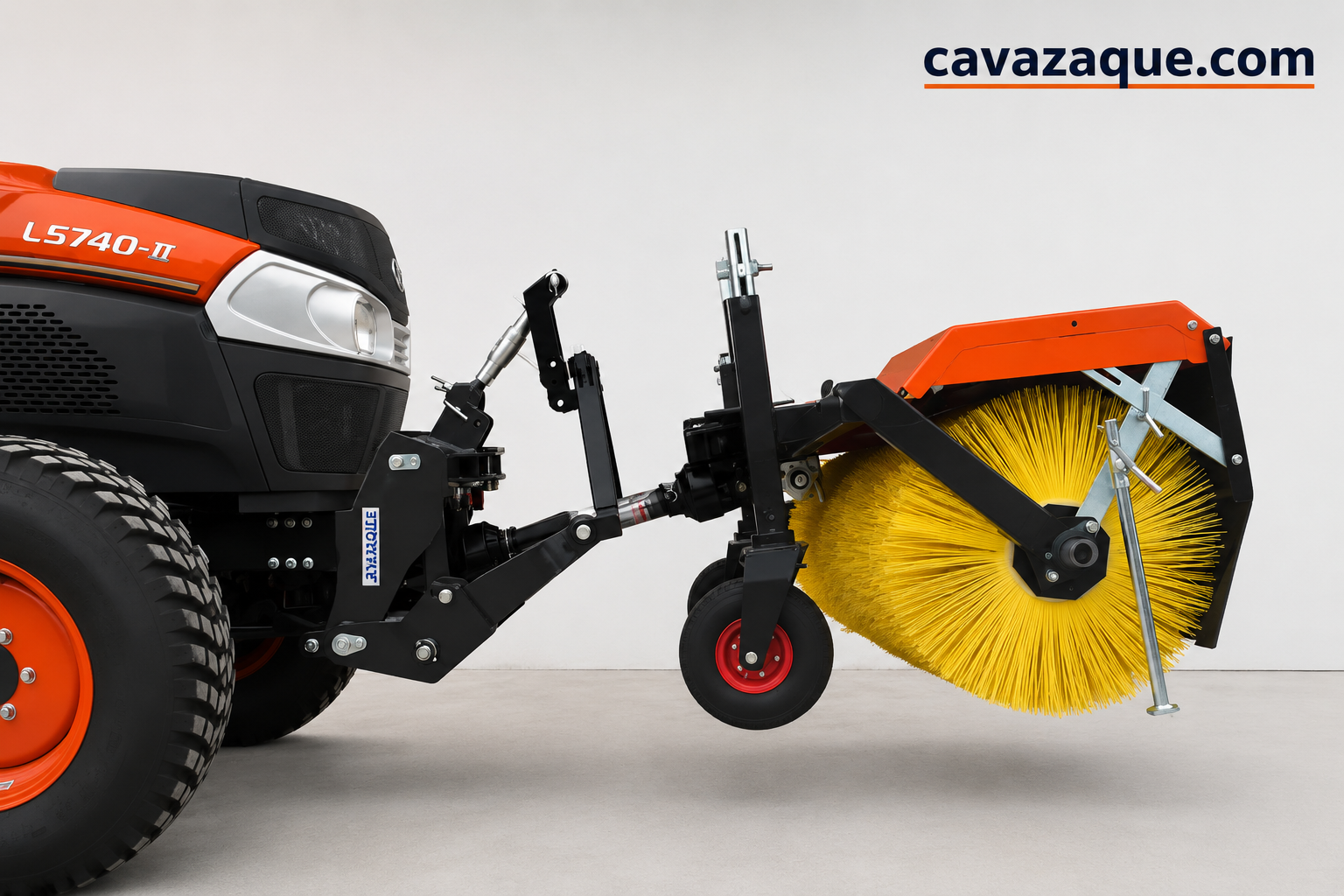
A kubota linkage system is one of the most important components of a Kubota tractor, yet it often receives less attention than engines, transmissions, or hydraulic systems. Whether you’re plowing fields, mowing large properties, grading roads, or handling specialized agricultural tasks, the linkage serves as the critical connection between the tractor and its implements. Without a properly functioning linkage system, even the most powerful tractor cannot effectively transfer its capabilities to the equipment attached behind it.
Understanding how a kubota linkage works can significantly improve productivity, equipment longevity, and overall operational efficiency. Farmers, landscapers, property owners, and agricultural contractors all rely on linkage systems to maximize the versatility of their tractors. From adjusting implement depth to maintaining stability across uneven terrain, the linkage system influences nearly every aspect of field performance.
This comprehensive guide explores the design, operation, types, benefits, maintenance requirements, troubleshooting methods, and practical applications of Kubota linkage systems. By the end, you’ll have a clear understanding of how these systems function and how to keep them operating at peak performance.
Kubota Linkage Overview
Kubota tractors are renowned worldwide for their reliability, versatility, and engineering excellence. A central part of this reputation comes from their advanced linkage systems, which allow operators to connect and control a wide variety of implements.
The linkage serves as a mechanical and hydraulic interface between the tractor and the attached equipment. It enables power transfer, lifting, lowering, positioning, and stabilization of implements such as plows, cultivators, rotary cutters, seeders, and box blades.
Kubota Linkage Quick Information
| Feature | Description |
|---|---|
| Primary Function | Connects tractor to implements |
| Common Type | Three-point linkage |
| Control Method | Hydraulic lift system |
| Main Components | Lower links, top link, lift arms, stabilizers |
| Typical Applications | Farming, landscaping, construction, property maintenance |
| Benefits | Improved control, versatility, and efficiency |
Kubota’s linkage designs are engineered to provide durability while maintaining precise implement control under varying operating conditions.
Understanding the Three-Point Linkage System
The three-point linkage is the most common configuration found on modern Kubota tractors. It was developed to improve implement control and remains one of the most significant innovations in agricultural machinery.
The system consists of three primary connection points that create a triangular structure. Two lower arms support the implement’s weight, while the upper top link controls the implement’s angle and positioning. Together, these points provide stability and flexibility during operation.
The triangular geometry distributes forces efficiently across the tractor and implement. This design minimizes stress concentrations while maintaining consistent implement alignment. As a result, operators experience better performance, reduced wear, and improved safety.
One reason the three-point system remains so popular is its versatility. A single tractor can quickly switch between numerous implements, allowing users to perform multiple tasks without investing in specialized machines.
Main Components of a Kubota Linkage
Lower Link Arms
The lower link arms are responsible for supporting most of the implement’s weight. These heavy-duty arms connect directly to the implement’s mounting points and transfer loads to the tractor.
Because they bear substantial forces during operation, Kubota designs these components using robust materials capable of withstanding years of demanding work. Proper adjustment of the lower links helps maintain implement balance and operational efficiency.
Top Link
The top link forms the upper point of the triangular linkage arrangement. Its primary purpose is controlling the angle and pitch of attached equipment.
By shortening or lengthening the top link, operators can modify how an implement contacts the ground. This adjustment is particularly important when using plows, graders, or tillage equipment that require precise working angles.
Lift Arms
Lift arms work with the tractor’s hydraulic system to raise and lower attached implements. These components provide operators with precise control over implement height and positioning.
When navigating obstacles, transporting equipment, or adjusting working depth, the lift arms perform a crucial role in maintaining operational efficiency.
Stabilizers and Sway Bars
Stabilizers reduce side-to-side movement of attached implements. Excessive sway can decrease accuracy, increase wear, and create safety concerns during operation.
Kubota incorporates adjustable stabilizing mechanisms that allow operators to tailor movement restrictions based on the specific implement being used.
How a Kubota Linkage Works
The operation of a kubota linkage combines mechanical engineering with hydraulic power. When the operator moves the hydraulic control lever, hydraulic fluid is directed to lift cylinders within the tractor.
These cylinders move the lift arms, which in turn raise or lower the linkage assembly. Because the implement is attached directly to the linkage, it follows the movement of the tractor’s hydraulic system.
As the tractor travels across the field, the linkage continuously responds to changing terrain conditions. Depending on the tractor model, advanced hydraulic controls may automatically maintain consistent implement depth or position.
Think of the linkage system as a highly adaptable robotic arm attached to the rear of the tractor. It not only supports equipment but also actively controls how that equipment interacts with the ground.
Categories of Kubota Linkage Systems
Different tractors require different linkage capacities. Kubota offers several categories designed to accommodate varying equipment sizes and workloads.
| Linkage Category | Typical Horsepower Range | Common Applications |
|---|---|---|
| Category 0 | Under 20 HP | Small gardens and compact properties |
| Category 1 | 20–50 HP | General farming and landscaping |
| Category 2 | 40–100 HP | Commercial agriculture |
| Category 3 | 80+ HP | Heavy-duty farming operations |
Selecting the appropriate linkage category ensures compatibility between the tractor and implement. Using mismatched equipment may reduce performance and increase component wear.
Benefits of Using a Kubota Linkage
Enhanced Equipment Versatility
One of the greatest advantages of Kubota linkage systems is their ability to support multiple implements. A single tractor can perform dozens of tasks simply by changing attachments.
This versatility reduces equipment costs and allows operators to maximize the return on their machinery investment.
Improved Operational Efficiency
The linkage system allows rapid implement attachment and removal. Modern quick-hitch solutions further reduce downtime between tasks.
Instead of dedicating separate machines to different jobs, operators can transition from mowing to grading or tilling within minutes.
Better Weight Distribution
A properly adjusted linkage transfers implement weight effectively across the tractor’s chassis. Improved weight distribution enhances traction, stability, and fuel efficiency.
This becomes especially important when operating on slopes or in challenging soil conditions.
Greater Precision
The hydraulic controls integrated with Kubota linkage systems provide precise implement positioning. Accurate depth control improves planting consistency, soil preparation quality, and overall work results.
Common Implements Used with Kubota Linkage Systems
Kubota tractors support an extensive range of implements through their linkage systems. These attachments transform a tractor into a multifunctional work platform.
Understanding the Search Term “Josh Duckworth Nude” Online
- Rotary cutters, tillers, plows, cultivators, seeders, box blades, and rear blades.
- Post-hole diggers, spreaders, landscape rakes, sprayers, and aerators.
Each implement places unique demands on the linkage. Proper setup ensures optimal performance while minimizing stress on both tractor and attachment.
For example, a rotary tiller requires stable depth control for consistent soil preparation. A box blade, on the other hand, benefits from careful top-link adjustments to achieve precise grading results.
Setting Up a Kubota Linkage Correctly
Proper setup begins with ensuring the tractor is parked on level ground. The implement should be aligned with the tractor before attachment.
After connecting the lower links, operators attach the top link and secure all locking mechanisms. Hydraulic controls can then raise the implement slightly to verify proper connection and balance.
Fine adjustments are often necessary. The top link should be adjusted to achieve the desired implement angle, while stabilizers should limit excessive side movement without creating binding.
Many experienced operators spend a few extra minutes fine-tuning their linkage settings before starting work. This small investment often results in better performance and reduced equipment wear throughout the day.
Maintenance Practices for Long-Term Reliability
Regular maintenance is essential for keeping linkage systems functioning properly. Although Kubota components are built for durability, neglect can eventually lead to premature wear and costly repairs.
Lubrication should be performed according to manufacturer recommendations. Grease fittings help reduce friction between moving parts and prevent corrosion.
Operators should routinely inspect pins, bushings, lift arms, and stabilizers for signs of wear. Replacing worn components early often prevents larger failures later.
Hydraulic performance should also be monitored. Slow lifting, uneven movement, or unusual noises may indicate hydraulic issues requiring attention.
Keeping linkage components clean after operation helps prevent dirt buildup and moisture-related corrosion, particularly in humid or muddy environments.
Common Kubota Linkage Problems and Solutions
Excessive Implement Sway
Side-to-side movement often results from loose stabilizers or worn linkage components. Tightening stabilizers and replacing damaged parts usually resolves the issue.
Uneven Lifting
When one side lifts higher than the other, linkage adjustments may be incorrect. Inspect lift arm settings and verify hydraulic system performance.
Difficulty Connecting Implements
Bent linkage components or worn attachment points can complicate implement installation. Regular inspections help identify these problems before they worsen.
Hydraulic Lift Failure
Hydraulic issues may stem from low fluid levels, clogged filters, air contamination, or component wear. Systematic diagnosis is essential for accurate repair.
Addressing small issues promptly prevents them from developing into major mechanical failures.
Real-World Example: Increasing Farm Productivity
Consider a medium-sized farm that uses a Kubota tractor throughout the growing season. Early spring may require tillage and seedbed preparation. Summer operations often involve mowing and spraying. Fall may focus on grading access roads and managing crop residues.
Without an efficient linkage system, switching between these tasks would consume significant time and labor. The tractor’s linkage allows rapid implement changes, enabling one machine to support multiple operations.
Many farm managers report noticeable productivity gains simply by optimizing implement setup and maintaining their linkage systems properly. Small adjustments often produce surprisingly large operational benefits.
Future Developments in Tractor Linkage Technology
Agricultural technology continues evolving, and linkage systems are advancing alongside it. Modern tractors increasingly integrate electronic controls with hydraulic systems, providing greater precision and automation.
Future developments may include enhanced implement monitoring, automatic adjustment capabilities, and improved compatibility with precision farming technologies.
As farms strive for greater efficiency and sustainability, linkage systems will continue serving as a critical bridge between tractor power and field performance.
Conclusion
The kubota linkage system is far more than a simple attachment mechanism. It serves as the essential connection between tractor and implement, enabling a wide range of agricultural, landscaping, and property-maintenance tasks. Through its combination of hydraulic control, mechanical strength, and adaptable design, the linkage transforms a tractor into a versatile working machine capable of handling diverse applications.
Understanding the components, operation, setup procedures, and maintenance requirements of a kubota linkage helps operators achieve better performance while extending equipment life. Regular inspections, proper adjustments, and timely repairs can significantly reduce downtime and improve productivity.
Whether managing a small property or operating a large agricultural enterprise, investing time in learning and maintaining your linkage system will pay dividends in efficiency, reliability, and long-term value.
Frequently Asked Questions (FAQs)
1. What is a Kubota linkage used for?
A Kubota linkage connects implements to a tractor and allows operators to raise, lower, and control equipment using the tractor’s hydraulic system. It enables tasks such as plowing, mowing, grading, and tilling.
2. How does a three-point linkage improve tractor performance?
The three-point design distributes forces evenly, improves stability, and provides precise implement control. This results in better traction, efficiency, and operational accuracy.
3. How often should Kubota linkage components be inspected?
Visual inspections should be performed regularly, especially before heavy use. Pins, bushings, stabilizers, and hydraulic connections should be checked for wear and damage.
4. Why does my implement sway during operation?
Implement sway is commonly caused by loose stabilizers, worn linkage parts, or improper adjustment. Correcting these issues improves stability and work quality.
5. Can different implements use the same Kubota linkage?
Yes. One of the primary advantages of Kubota linkage systems is compatibility with many different implements, provided they match the tractor’s linkage category and capacity.