Introduction
Every business, creator, startup, and organization wants to grow, but sustainable success rarely happens by accident. Growth navigate is the process of understanding where you are today, identifying where you want to go, and following a structured path to achieve meaningful progress. Instead of chasing every new opportunity, growth navigation focuses on making informed decisions, adapting to change, and building momentum over time.
Whether you’re launching a new company, expanding an established business, developing your career, or leading a nonprofit organization, the ability to navigate growth effectively can determine long-term success. Growth isn’t simply about increasing revenue or reaching more customers. It also involves strengthening operations, improving decision-making, developing teams, and creating systems that can handle future challenges.
This comprehensive guide explores the meaning of growth navigate, why it matters, the principles behind sustainable expansion, practical strategies, common obstacles, real-world examples, and actionable steps that anyone can apply.
| Topic | Details |
|---|---|
| Concept | Growth Navigate |
| Primary Purpose | Strategic and sustainable growth planning |
| Best For | Businesses, startups, entrepreneurs, professionals, organizations |
| Core Focus | Planning, execution, adaptation, and continuous improvement |
| Long-Term Goal | Sustainable and measurable progress |
Understanding Growth Navigate
The phrase growth navigate represents more than simply growing larger. It combines growth with direction, emphasizing that progress should be intentional rather than random.
READ MORE: Growth Navigate Startup Tools: A Complete Guide for Smarter Growth
Imagine driving across the country without a map or GPS. You may eventually reach your destination, but you’ll likely waste time, fuel, and resources. Growth works the same way. Organizations that navigate carefully identify priorities, prepare for uncertainty, and continuously adjust their strategy based on changing conditions.
Growth navigation encourages thoughtful planning while remaining flexible enough to adapt when opportunities or challenges emerge.
Why Growth Navigate Matters in Today’s World
Modern markets change rapidly. Customer expectations evolve, technology advances, and competition constantly shifts. Businesses that rely solely on past success often struggle when conditions change.
Growth navigate provides a structured framework that helps leaders make confident decisions instead of reacting emotionally to every obstacle.
Several important benefits include:
- Better long-term decision-making
- Improved resource allocation
- Greater adaptability during change
- Stronger operational efficiency
- Increased confidence in future planning
Organizations that consistently review their progress tend to identify problems earlier and capitalize on opportunities faster than competitors who rely on guesswork.
The Core Principles of Growth Navigate
Vision Before Expansion
Every successful journey begins with a clear destination.
Growth without direction often creates unnecessary complexity. Before expanding products, hiring employees, or entering new markets, organizations should define exactly what success looks like.
Clear vision answers questions such as:
- Where should the organization be in five years?
- What values guide every decision?
- Which customers matter most?
- What problems are being solved?
A compelling vision becomes the foundation for every future decision.
Data-Informed Decisions
Successful growth relies on facts rather than assumptions.
Performance indicators, customer feedback, financial reports, and operational metrics help leaders understand what is actually working.
Instead of making decisions based on instinct alone, growth navigation combines experience with measurable evidence to reduce unnecessary risk.
Building a Strong Foundation for Sustainable Growth Navigate
Long-term expansion requires a solid foundation. Rapid growth without preparation often leads to declining quality, employee burnout, and customer dissatisfaction.
A strong foundation includes efficient processes, capable leadership, reliable financial planning, and a culture of continuous learning.
Consider the following comparison.
| Weak Foundation | Strong Foundation |
|---|---|
| Reactive decisions | Strategic planning |
| Unclear responsibilities | Defined roles |
| Poor communication | Transparent collaboration |
| Limited adaptability | Continuous improvement |
| Short-term thinking | Long-term sustainability |
Organizations investing early in their internal systems often experience smoother expansion later.
Leadership’s Role in Growth Navigate
Leadership influences every stage of growth.
Effective leaders create alignment across departments, communicate clear priorities, and inspire teams to embrace change.
Rather than controlling every decision, strong leaders empower employees to solve problems independently while maintaining accountability.
Successful leadership during periods of growth also requires emotional intelligence. Listening carefully, encouraging innovation, and recognizing achievements strengthen organizational culture and improve overall performance.
Creating a Growth-Oriented Culture
Culture determines how people respond when challenges appear.
Organizations with healthy cultures encourage experimentation, learning, collaboration, and continuous improvement.
Employees who feel valued are generally more willing to contribute creative ideas, support organizational goals, and remain committed during periods of uncertainty.
Building such a culture requires consistency. Leaders should demonstrate integrity, encourage open communication, and recognize contributions across every level of the organization.
Innovation as a Driver of Growth Navigate
Innovation doesn’t always require revolutionary inventions.
Often, small improvements create significant competitive advantages.
Businesses can innovate by:
- Improving customer experiences
- Simplifying internal workflows
- Introducing new service models
- Enhancing product quality
- Adopting efficient technologies
Companies that continually improve rarely remain stagnant for long.
Innovation should become an ongoing habit rather than an occasional project.
Customer-Centered Growth Strategies
Customers remain the foundation of sustainable success.
Growth navigation encourages organizations to understand customer expectations before making major decisions.
Regular conversations, surveys, support interactions, and purchasing behavior provide valuable insights into customer needs.
Businesses that genuinely solve customer problems often experience stronger loyalty, better referrals, and more predictable long-term growth.
Instead of constantly searching for new audiences, many organizations grow by serving existing customers exceptionally well.
Managing Risk During Growth
Every growth opportunity involves uncertainty.
Expanding too quickly may strain resources, while expanding too slowly may allow competitors to capture valuable opportunities.
Risk management involves identifying potential challenges before they become major problems.
Examples include:
- Financial uncertainty
- Supply chain disruptions
- Regulatory changes
- Technology failures
- Market fluctuations
Organizations that prepare contingency plans recover more quickly when unexpected events occur.
Financial Planning and Growth Navigate
Healthy financial management supports every stage of expansion.
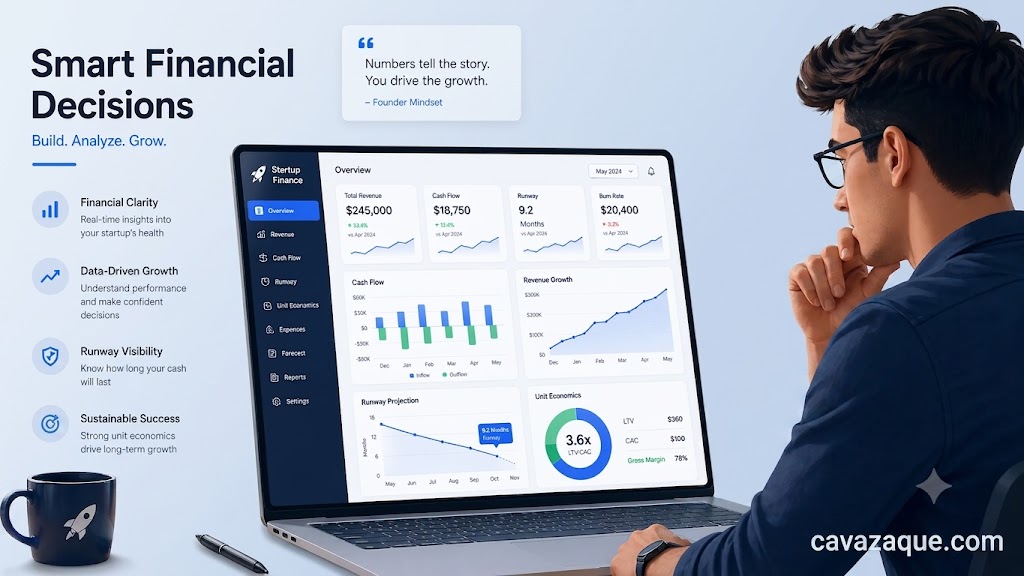
Leaders should understand revenue patterns, operating expenses, investment requirements, and cash reserves before pursuing aggressive growth.
Disciplined financial planning allows organizations to invest confidently while maintaining stability during difficult periods.
Rather than focusing exclusively on increasing income, sustainable growth balances profitability with responsible spending.
Technology’s Impact on Modern Growth
Technology has transformed how organizations operate.
Automation reduces repetitive work, communication platforms improve collaboration, and analytical tools provide deeper business insights.
Technology should support strategic objectives instead of becoming an unnecessary expense.
Successful organizations evaluate technology based on practical benefits, ease of implementation, employee adoption, and measurable results.
When used thoughtfully, technology enables faster decisions and greater operational efficiency.
Real-World Example of Growth Navigate
Imagine a small family-owned bakery.
Initially, the owners focused only on producing high-quality bread. As demand increased, they considered opening multiple locations immediately.
Instead of expanding too quickly, they followed a growth navigation approach.
First, they standardized recipes.
Next, they improved employee training.
Then, they upgraded inventory management.
After strengthening internal systems, they opened one additional location, evaluated performance, refined operations again, and only then continued expanding.
This gradual approach reduced risk while maintaining product quality and customer satisfaction.
The same principle applies to startups, manufacturing companies, educational institutions, healthcare providers, and nonprofit organizations.
Common Challenges During Growth
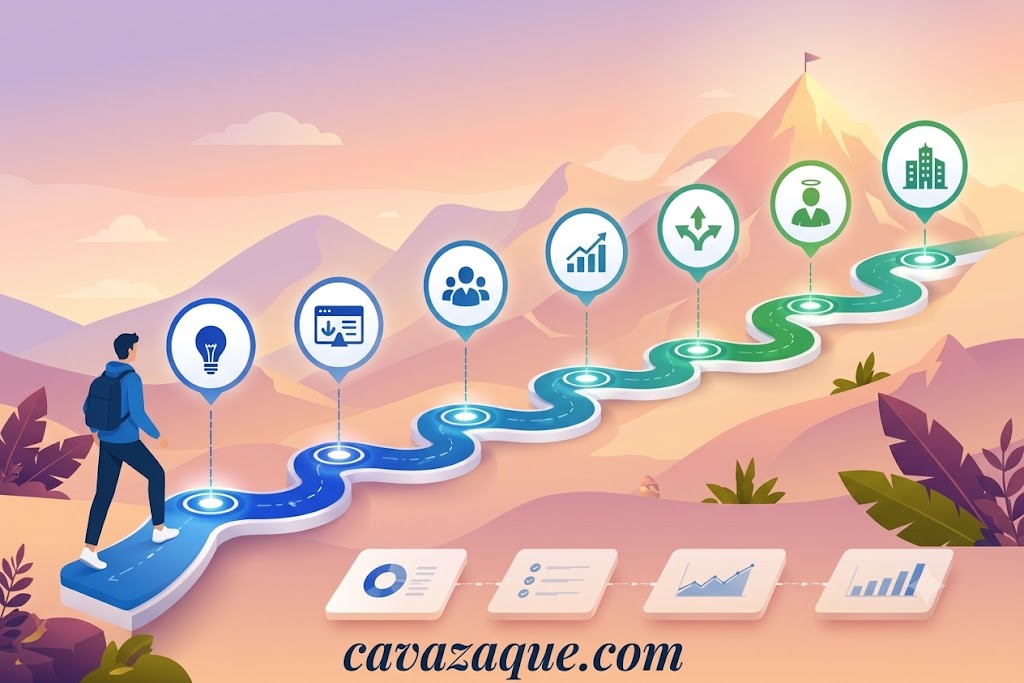
Growth rarely follows a perfectly straight path.
Organizations frequently encounter obstacles such as changing customer expectations, staffing shortages, increased competition, rising costs, and operational complexity.
One common mistake is confusing activity with progress. Being busy doesn’t necessarily mean moving toward meaningful objectives.
Another challenge involves resistance to change. Employees often prefer familiar routines, even when improvements offer long-term benefits.
Successful organizations acknowledge these challenges early and develop practical strategies to address them.
Measuring Success Beyond Numbers
Financial performance matters, but it tells only part of the story.
Meaningful growth also includes customer satisfaction, employee engagement, innovation, operational efficiency, and organizational resilience.
Balanced evaluation provides a more complete understanding of overall performance.
Organizations that regularly review both quantitative and qualitative indicators make more informed strategic decisions over time.
The Future of Growth Navigate
Future growth will likely become increasingly dynamic.
Artificial intelligence, automation, remote collaboration, sustainability initiatives, and global connectivity continue reshaping industries.
Organizations capable of learning quickly and adapting thoughtfully will remain competitive.
Rather than attempting to predict every future trend, successful leaders build flexible systems capable of responding effectively to change.
Continuous learning will become one of the greatest competitive advantages in every industry.
Practical Steps to Begin Your Growth Journey
Starting a growth navigation process doesn’t require massive resources.
Begin by evaluating your current position honestly.
Define realistic long-term objectives.
Identify the biggest obstacles preventing progress.
Strengthen internal systems before pursuing rapid expansion.
Review results regularly and adjust strategies whenever necessary.
Consistent improvement, even in small increments, often produces remarkable long-term results.
Conclusion
Growth navigate is ultimately about combining ambition with direction. Sustainable progress requires more than enthusiasm—it demands careful planning, continuous learning, adaptable leadership, financial discipline, innovation, and a deep understanding of customers and organizational capabilities.
Whether you’re leading a growing company, building a startup, managing a nonprofit, or advancing your personal career, navigating growth strategically helps reduce uncertainty while creating stronger long-term outcomes.
Remember that meaningful growth isn’t measured solely by size. It’s measured by resilience, consistency, value creation, and the ability to adapt to an ever-changing world. Start with a clear vision, build a strong foundation, remain flexible, and continue improving step by step. Those habits create lasting success.
Frequently Asked Questions (FAQs)
1. What does growth navigate mean?
Growth navigate refers to the structured process of planning, managing, and directing growth strategically rather than relying on chance. It emphasizes sustainable progress through informed decision-making.
2. Who can benefit from growth navigate?
Businesses, startups, entrepreneurs, nonprofit organizations, educational institutions, and even individuals planning career development can benefit from applying growth navigation principles.
3. Why is planning important during growth?
Planning helps organizations allocate resources effectively, reduce unnecessary risks, prepare for future challenges, and make decisions that support long-term success instead of short-term gains.
4. How does technology support growth navigation?
Technology improves efficiency through automation, communication, data analysis, and workflow management, allowing organizations to make faster and more informed decisions while reducing operational complexity.
5. What is the biggest mistake organizations make during growth?
One of the most common mistakes is expanding too quickly without strengthening internal systems, financial planning, leadership, and operational processes first.