Introduction
Every startup begins with an idea, but turning that idea into a sustainable business requires the right systems, decisions, and technology. Growth navigate startup tools help founders simplify complex tasks, improve collaboration, manage operations, analyze performance, and scale without unnecessary friction. Instead of relying on disconnected software or manual workflows, startups can use purpose-built tools to create efficient processes from day one.
Whether you’re launching a new venture, expanding an existing company, or preparing for rapid growth, choosing the right tools can significantly improve productivity and decision-making. This guide explores how growth navigate startup tools work, why they matter, the categories every startup should understand, practical examples, common mistakes to avoid, and strategies for building a technology stack that supports long-term success.
Understanding Growth Navigate Startup Tools
The phrase growth navigate startup tools refers to the collection of digital platforms, applications, and software solutions that help startups manage growth effectively. These tools support businesses through different stages, from validating an idea to scaling operations across larger teams and customer bases.
RED MORE: Startup Booted Financial Modeling: Build a Stronger Business Plan
Unlike traditional business software designed for mature enterprises, startup-focused tools emphasize flexibility, affordability, automation, and rapid implementation. Founders often wear multiple hats, so software that reduces repetitive work becomes a competitive advantage.
Rather than replacing human creativity, these tools allow entrepreneurs to spend more time solving customer problems and less time handling administrative tasks. The result is better decision-making, improved customer experiences, and more efficient operations.
Startup Tool Categories at a Glance
| Category | Primary Purpose | Startup Benefit |
|---|---|---|
| Project Management | Organize work and deadlines | Improves collaboration |
| Customer Relationship Management | Track customer interactions | Builds stronger relationships |
| Financial Management | Manage expenses and budgets | Better financial visibility |
| Team Communication | Enable internal collaboration | Faster decision-making |
| Analytics & Reporting | Measure business performance | Supports data-driven growth |
| Automation | Reduce repetitive tasks | Saves valuable time |
Why Growth Navigate Startup Tools Matter
Building a startup involves uncertainty. Markets change quickly, customer expectations evolve, and limited resources force founders to make careful decisions. Having the right technology stack creates structure during uncertain periods.
Without organized systems, teams often struggle with duplicated work, missed deadlines, scattered information, and inconsistent communication. As businesses grow, these small inefficiencies become expensive.
Growth navigate startup tools provide a framework that keeps projects organized, information centralized, and performance measurable. Instead of reacting to problems after they occur, startups can identify trends early and respond with confidence.
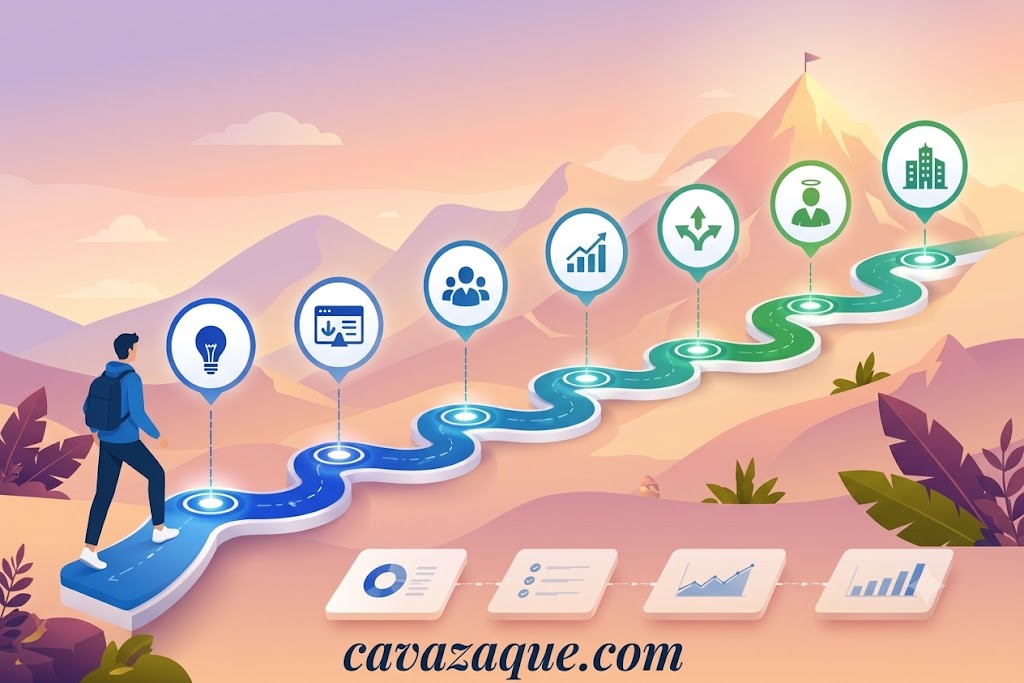
Think of these tools as the navigation system for a road trip. The destination may remain the same, but the software helps avoid delays, identify better routes, and reach milestones faster.
Essential Categories of Growth Navigate Startup Tools
Project and Task Management
Every startup manages multiple projects simultaneously. Product development, customer support, marketing campaigns, hiring, and financial planning all compete for attention.
Project management tools help organize tasks, assign responsibilities, track deadlines, and visualize progress. Teams can quickly identify bottlenecks before they become serious problems.
For example, a software startup preparing a product launch can coordinate designers, developers, testers, and marketers within one shared workspace instead of relying on scattered spreadsheets or endless email threads.
Team Communication
Clear communication is one of the strongest predictors of startup success.
As teams become distributed across different locations and time zones, communication platforms help employees stay connected through instant messaging, video meetings, and shared discussions.
Instead of searching through long email chains, conversations remain organized by projects, departments, or clients, making collaboration faster and more transparent.
Customer Relationship Management
Customers drive every successful startup. Understanding their needs, tracking conversations, and following up consistently builds trust over time.
Customer relationship management platforms store interaction histories, contact details, sales opportunities, and customer feedback in one centralized location.
Imagine a startup selling subscription software. Rather than relying on memory, the sales team can instantly see previous conversations, renewal dates, customer concerns, and upcoming opportunities.
Financial Tools That Support Sustainable Growth
Financial management is about much more than accounting. Founders need visibility into cash flow, expenses, revenue, payroll, and future planning.
Modern financial tools automate invoicing, categorize transactions, generate reports, and simplify budgeting.
Financial Tool Comparison
| Function | Manual Process | Digital Tool Advantage |
|---|---|---|
| Expense Tracking | Time-consuming | Automatic categorization |
| Invoice Creation | Repetitive | Instant templates |
| Cash Flow Monitoring | Difficult | Real-time visibility |
| Budget Planning | Spreadsheet-heavy | Interactive forecasting |
| Financial Reports | Hours of work | Generated automatically |
Accurate financial information allows founders to make informed decisions instead of relying on assumptions.
Analytics and Performance Measurement
Growth without measurement is simply guesswork.
Analytics platforms help startups understand customer behavior, product performance, operational efficiency, and business trends.
Instead of asking, “Are we growing?” founders can answer questions like:
- Which products generate the highest revenue?
- Which customer groups remain most loyal?
- Where do users stop using the product?
- Which business activities consume the most resources?
Reliable insights lead to smarter decisions and better resource allocation.
Automation: The Hidden Growth Multiplier
One of the greatest advantages of modern startup technology is automation.
Automation handles repetitive activities that consume valuable time. Routine processes such as data entry, notifications, customer onboarding, scheduling, reporting, and workflow approvals can often run automatically.
Consider a startup that receives hundreds of customer inquiries weekly. Instead of manually assigning each request, automation routes messages to the appropriate team, updates records, and notifies employees instantly.
Small time savings repeated every day eventually create significant operational improvements.
How Startups Choose the Right Tools
Selecting software isn’t about finding the most popular platform. It’s about finding solutions that solve real business problems.
Successful founders usually evaluate software using several practical questions:
- Does it solve an existing problem?
- Is it easy for the team to learn?
- Can it scale as the company grows?
- Does it integrate with existing systems?
- Does the cost match current business needs?
Choosing software simply because competitors use it rarely produces the best results.
Growth Navigate Startup Tools for Different Startup Stages
Idea Validation Stage
At the beginning, simplicity matters.
Founders need lightweight tools for planning, brainstorming, documenting ideas, scheduling meetings, and collecting early customer feedback.
The focus remains on learning rather than building complicated systems.
Early Growth Stage
Once customers arrive, priorities change.
Businesses require stronger project management, customer tracking, financial reporting, and collaboration tools that support growing teams.
Processes become more structured without becoming overly complex.
Scaling Stage
As startups expand, operations involve multiple departments, international customers, larger teams, and more advanced reporting requirements.
Growth navigate startup tools become increasingly interconnected, allowing information to flow seamlessly across the organization.
Common Mistakes When Building a Startup Tool Stack
Many startups unintentionally slow themselves by choosing too many applications too quickly.
Common mistakes include:
- Purchasing software before identifying actual needs
- Using multiple tools with overlapping features
- Ignoring employee training
- Failing to review software regularly
- Paying for unused subscriptions
A smaller, well-integrated toolkit usually performs better than dozens of disconnected applications.
Real-World Example
Imagine two startups entering the same industry.
Startup A relies on spreadsheets, scattered emails, handwritten notes, and manual reporting. Team members spend hours searching for information and updating documents.
Startup B invests early in carefully selected growth navigate startup tools. Tasks are organized, customer records remain centralized, reports update automatically, and communication happens within dedicated workspaces.
After one year, Startup B isn’t necessarily more talented, but it operates more efficiently. Employees spend less time managing information and more time serving customers and improving products.
This illustrates how operational efficiency compounds over time.
Building a Long-Term Technology Strategy
Technology should evolve alongside the business.
Instead of replacing every tool during periods of growth, startups benefit from choosing flexible platforms capable of supporting future expansion.
A sustainable technology strategy includes regular evaluations, employee feedback, security reviews, process improvements, and gradual upgrades rather than sudden overhauls.
Founders who view technology as a long-term investment often experience smoother scaling and fewer operational disruptions.
Future Trends in Startup Tools
The startup technology landscape continues evolving rapidly.
Several developments are shaping the future:
- Greater automation across everyday workflows
- Smarter predictive analytics
- Improved collaboration for distributed teams
- Enhanced security and privacy features
- More integrated business ecosystems
- Personalized user experiences
As technology becomes more intelligent, startups will increasingly spend less time managing software and more time creating value for customers.
How to Build an Effective Startup Toolkit
Rather than collecting every available application, startups benefit from building around core operational needs.
A balanced toolkit often includes:
- One project management platform
- One communication platform
- One financial management system
- One customer management solution
- One analytics platform
Keeping the technology ecosystem simple encourages faster adoption, easier training, and stronger collaboration across the organization.
H2: Conclusion
Growth doesn’t happen by chance. It results from consistent execution, informed decisions, and efficient systems working together. Growth navigate startup tools provide the structure startups need to organize operations, improve teamwork, monitor performance, and adapt as the business evolves.
The best technology stack isn’t necessarily the largest or most expensive. Instead, it’s the one that aligns with business goals, supports employees, simplifies daily work, and scales alongside the company. By choosing tools thoughtfully, reviewing them regularly, and focusing on practical business outcomes, startups can build a strong operational foundation for sustainable success.
Investing in the right tools today creates opportunities for smarter decisions, faster execution, and stronger growth tomorrow.
H2: Frequently Asked Questions (FAQs)
1. What are growth navigate startup tools?
Growth navigate startup tools are software solutions that help startups manage projects, finances, communication, customer relationships, analytics, and operational workflows while supporting business growth.
2. Why are startup tools important for new businesses?
They improve efficiency, reduce manual work, centralize information, and help founders make better decisions while allowing teams to focus on delivering value instead of handling repetitive tasks.
3. When should a startup begin using these tools?
Startups should begin adopting essential tools during the early planning stage and expand their toolkit gradually as the business grows and operational complexity increases.
4. Can small startups benefit from digital business tools?
Yes. Even very small teams gain significant advantages through better organization, faster collaboration, improved financial visibility, and streamlined daily operations.
5. How often should startups review their technology stack?
A review every six to twelve months helps identify unused software, changing business needs, integration opportunities, and areas where better solutions may improve productivity.