
Introduction
The glamping economy has emerged as one of the most fascinating developments in modern tourism. Travelers no longer want to choose between adventure and comfort. Instead, they seek experiences that combine nature, luxury, sustainability, and memorable storytelling. This shift has turned glamping—from a niche outdoor activity into a multi-billion-dollar economic sector that influences hospitality, real estate, local communities, and environmental tourism.
Imagine sleeping under a sky full of stars while enjoying a king-sized bed, private bathroom, and gourmet meals. That experience perfectly captures why glamping has gained global attention. The rise of remote work, wellness tourism, and eco-conscious travel has further accelerated demand for luxury outdoor accommodations.
This article explores the origins, drivers, opportunities, and future prospects of the glamping economy. It also examines how this growing sector is changing the way people travel and how businesses and communities are benefiting from its expansion.
Understanding the Glamping Economy
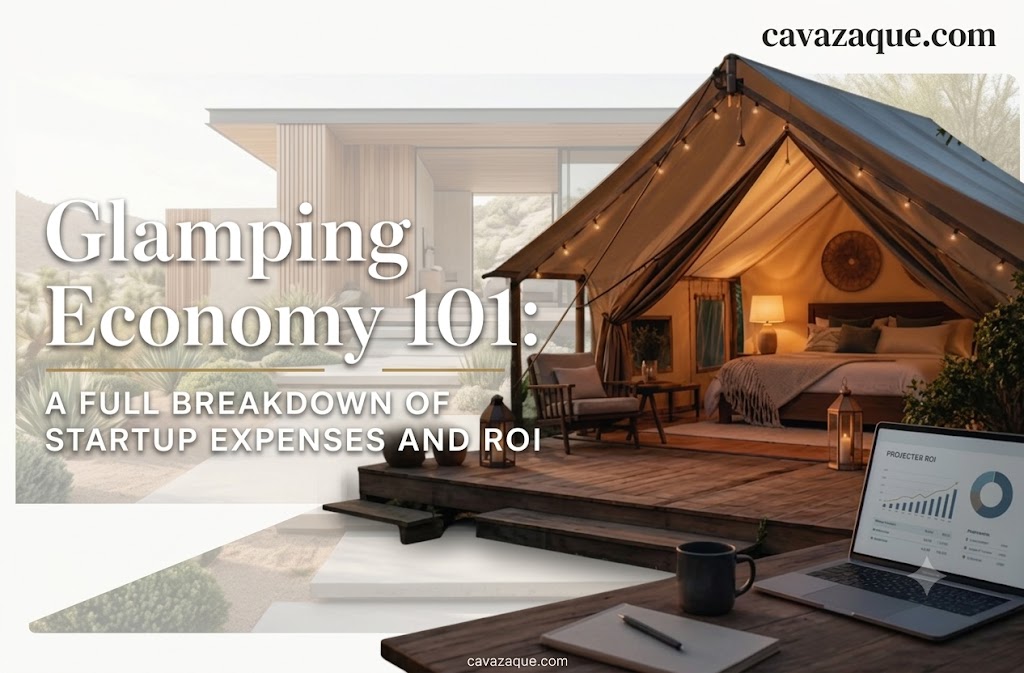
Glamping, a blend of the words “glamorous” and “camping,” refers to luxury outdoor accommodations that provide hotel-like comfort in natural settings. The glamping economy encompasses all industries connected to this experience, including accommodation providers, tourism operators, construction companies, local artisans, food suppliers, and technology services.
Unlike traditional camping, glamping removes many of the inconveniences associated with outdoor travel. Guests can enjoy comfortable beds, climate-controlled tents, internet access, and curated activities without sacrificing their connection to nature.
Informational Overview of Glamping
| Aspect | Details |
|---|---|
| Meaning | Luxury camping with modern amenities |
| Main Customers | Families, couples, remote workers, wellness travelers |
| Popular Locations | Forests, mountains, beaches, deserts |
| Accommodation Types | Safari tents, yurts, treehouses, cabins, domes |
| Key Attraction | Combining comfort with nature experiences |
The industry’s rapid expansion reflects changing consumer preferences toward experiential travel rather than conventional hotel stays.
The Evolution of Luxury Outdoor Travel
Camping has existed for centuries, but luxury camping gained popularity in Africa through safari experiences where wealthy travelers demanded comfortable accommodations in remote wilderness areas.
Over time, the concept spread to Europe, North America, and Asia. The rise of social media significantly accelerated its popularity. Pictures of transparent domes, treehouses, and luxury tents inspired travelers seeking unique experiences.
Modern travelers increasingly prioritize memorable experiences over material possessions. This cultural shift created ideal conditions for glamping to flourish. Instead of simply visiting destinations, people want immersive and shareable experiences.
Major Drivers Behind the Glamping Economy
Changing Traveler Preferences
Today’s travelers value experiences that feel personal and authentic. Standard hotel rooms often appear repetitive, whereas glamping provides novelty and emotional connection.
Many guests appreciate waking up to birdsong, enjoying sunrise views, and disconnecting from urban stress while still maintaining access to modern comforts.
Rise of Wellness Tourism
Mental health and wellness have become major priorities worldwide. Glamping destinations frequently integrate activities such as yoga, meditation, forest bathing, and digital detox programs.
These experiences appeal particularly to urban professionals seeking relief from busy lifestyles.
Sustainable Tourism Trends
Environmental awareness has encouraged travelers to seek accommodations that minimize ecological impact. Many glamping operators use renewable energy, composting systems, and locally sourced materials.
The combination of comfort and environmental responsibility has made glamping especially attractive to younger generations.
Remote Work and Digital Nomadism
Flexible work arrangements have transformed tourism patterns. Professionals can now work from scenic locations while enjoying extended stays.
Luxury cabins with high-speed internet and peaceful surroundings have become appealing alternatives to crowded cities.
Global Market Growth of the Glamping Economy
The market value of the glamping economy has grown significantly over the last decade. Industry analysts predict continued expansion due to increasing disposable income and rising demand for unique travel experiences.
Estimated Market Trends
| Year | Estimated Global Market Size |
|---|---|
| 2020 | $2.1 Billion |
| 2023 | $3.4 Billion |
| 2025 | $4.8 Billion |
| 2030 | Over $7 Billion |
Although estimates vary among research organizations, nearly all studies indicate strong long-term growth potential.
Several regions have become major hubs for glamping development, including the United States, the United Kingdom, Australia, and parts of Southeast Asia.
Types of Accommodations Driving the Industry
Luxury Tents
Safari tents remain among the most recognizable forms of glamping. They offer spacious interiors and often include private bathrooms and premium furnishings.
Treehouses
Modern treehouses combine childhood imagination with luxury hospitality. Many destinations market them as romantic retreats.
Geodesic Domes
Transparent domes allow guests to observe stars and surrounding landscapes while remaining protected from weather conditions.
Tiny Cabins
Minimalist cabins attract travelers interested in simplicity, sustainability, and peaceful escapes.
Floating Glamping Units
Some destinations now offer accommodations on lakes or rivers, creating entirely new tourism experiences.
Economic Benefits for Local Communities
One of the most important aspects of the glamping economy is its contribution to local development.
Glamping sites are frequently located in rural or less-developed regions. As tourism increases, nearby communities benefit from employment opportunities and increased business activity.
Local residents may find work in hospitality, transportation, construction, food services, and tour operations. Farmers often supply fresh produce to glamping resorts, while artisans can sell handmade products to visitors.
This economic diversification helps communities reduce dependence on traditional industries and creates more resilient local economies.
Community Benefits Include:
- New employment opportunities
- Increased infrastructure investment
- Support for local businesses
- Preservation of cultural traditions
Technology’s Role in the Glamping Industry
Technology has significantly contributed to the industry’s growth.
Online booking platforms make remote destinations easier to access. Smart technologies, including solar energy systems, automated lighting, and mobile check-in services, enhance guest convenience.
Virtual tours and immersive digital experiences also help travelers explore properties before making reservations.
Interestingly, many glamping sites maintain a balance between connectivity and disconnection. Guests often enjoy internet access while also participating in activities designed to reduce digital stress.
Sustainability and Environmental Considerations
The popularity of luxury outdoor travel raises important environmental questions.
Poorly managed tourism can damage ecosystems and increase waste production. Responsible operators therefore prioritize sustainable development practices.
Examples include:
- Solar-powered accommodations
- Water conservation systems
- Biodegradable materials
- Limited construction footprints
- Wildlife protection initiatives
The success of the glamping industry increasingly depends on maintaining the natural environments that attract visitors in the first place.
Challenges Facing the Glamping Economy
Despite rapid growth, the sector faces several obstacles.
High Initial Investment
Developing luxury outdoor accommodations often requires significant capital. Land acquisition, infrastructure development, and premium amenities can be expensive.
Seasonal Demand
Many glamping destinations depend heavily on favorable weather conditions. Seasonal fluctuations can affect profitability.
Regulatory Complexity
Local regulations regarding land use, environmental protection, and tourism licensing vary considerably across regions.
Maintaining Authenticity
As the industry expands, some destinations risk becoming overly commercialized, reducing the sense of exclusivity and natural connection that initially attracted travelers.
Balancing growth with authenticity remains a crucial challenge.
Consumer Demographics and Travel Behavior
The glamping market attracts a diverse audience.
Young couples often seek romantic experiences, while families appreciate safe opportunities for children to engage with nature.
Remote workers are increasingly using glamping destinations for extended stays. Retirees also represent a growing market segment due to their interest in wellness and slow travel.
Interestingly, many guests are first-time campers who might never have considered traditional camping experiences.
Primary Customer Segments
| Customer Group | Main Motivation |
|---|---|
| Couples | Romance and unique experiences |
| Families | Nature education and comfort |
| Professionals | Remote work and relaxation |
| Wellness Travelers | Stress reduction and mindfulness |
| Retirees | Scenic and peaceful vacations |
The Future of the Glamping Economy
The future appears promising.
Several emerging trends are expected to shape the next phase of industry development:
Eco-Luxury Experiences
Travelers increasingly expect both comfort and environmental responsibility.
Personalized Travel
Customized experiences, including private chefs, guided activities, and wellness programs, are becoming more common.
Expansion Into New Regions
Developing countries with attractive landscapes may become major future destinations.
Integration With Wellness Retreats
Combining luxury accommodation with holistic health experiences will likely become a dominant trend.
Longer Stays
As flexible work arrangements continue, guests may increasingly choose month-long stays rather than short vacations.
The continued growth of experiential travel strongly supports the long-term prospects of the glamping sector.
Real-World Example: Rural Tourism Transformation
Consider a remote mountain village with declining agricultural income. By developing eco-friendly glamping accommodations, local entrepreneurs can attract visitors seeking authentic nature experiences.
The resulting tourism activity can generate jobs, encourage infrastructure improvements, and preserve cultural traditions that might otherwise disappear.
This example illustrates why the glamping industry represents more than a travel trend—it can become a catalyst for regional economic development.
Conclusion
The glamping economy represents a powerful transformation in modern tourism. By combining luxury, sustainability, and immersive outdoor experiences, it has created entirely new opportunities for travelers and businesses alike.
Its growth is being driven by changing consumer preferences, increased environmental awareness, wellness tourism, and remote work trends. Beyond economic benefits, glamping also supports rural communities and encourages appreciation for natural environments.
As travelers continue seeking meaningful experiences rather than traditional vacations, the glamping industry is likely to become an even more significant part of the global tourism landscape. Businesses that prioritize sustainability, authenticity, and personalized experiences will be well-positioned to thrive in this evolving market.
The future of travel may not lie solely in urban hotels or crowded resorts. Instead, it may increasingly be found beneath the stars, where luxury and nature coexist in harmony.
Frequently Asked Questions (FAQs)
1. What is the glamping economy?
The glamping economy refers to the entire business ecosystem surrounding luxury camping experiences, including accommodations, tourism services, local suppliers, and supporting industries.
2. Why is glamping becoming so popular?
Travelers increasingly seek unique experiences that combine comfort, nature, and wellness. Glamping offers all these benefits without the inconveniences of traditional camping.
3. Is glamping environmentally friendly?
Many glamping sites prioritize sustainable practices such as renewable energy, water conservation, and eco-friendly construction, although sustainability standards vary by operator.
4. Who are the primary customers for glamping experiences?
The market mainly includes couples, families, wellness travelers, digital nomads, and individuals looking for memorable outdoor experiences.
5. What does the future hold for the glamping industry?
The industry is expected to continue growing due to increasing demand for experiential travel, eco-tourism, personalized vacations, and remote work-friendly destinations.