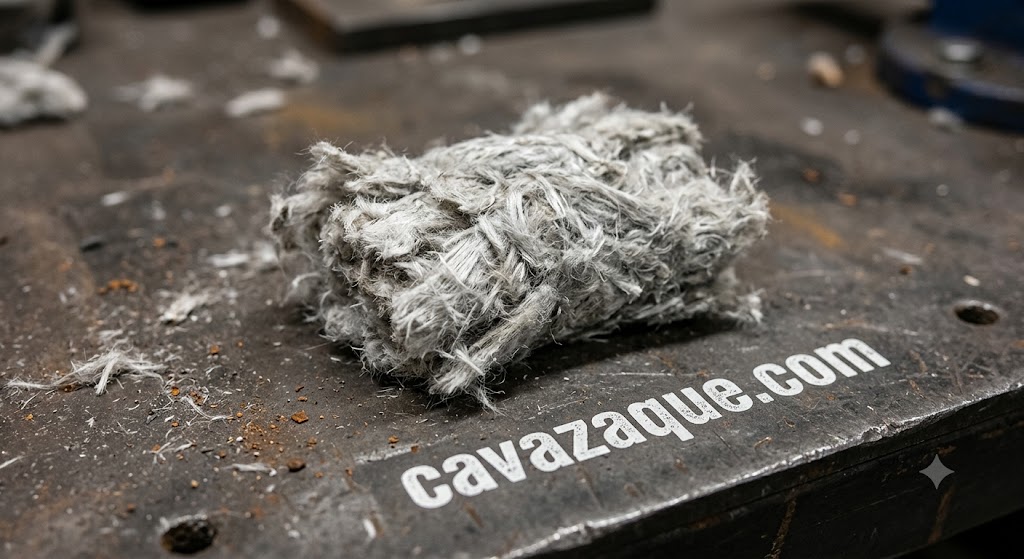
Asbestos-containing materials were once seen as miracle products because of their heat resistance, durability, and affordability. Among these materials, asbestlint—commonly known as asbestos tape or asbestos-based sealing tape—played a significant role in construction, insulation, and industrial applications. Today, however, it is associated with serious health concerns and strict regulations.
Whether you’re renovating an old property, working in industrial maintenance, or simply trying to understand historical building materials, learning about asbestlint is important. This article explores what asbestos tape is, where it was used, why it became dangerous, and how it should be handled safely.
Quick Overview of Asbestlint
| Aspect | Details |
|---|---|
| Common Name | Asbestos tape / asbestos sealing tape |
| Main Components | Chrysotile or other asbestos fibers mixed with binders |
| Primary Purpose | Heat insulation and fire resistance |
| Common Locations | Pipes, boilers, ducts, electrical systems |
| Major Risk | Release of airborne asbestos fibers |
| Current Status | Highly regulated or banned in many countries |
What Is Asbestlint?
The term asbestlint generally refers to tape-like products made with asbestos fibers. These tapes were manufactured to provide exceptional insulation against heat, fire, and chemical exposure. During the twentieth century, industries relied heavily on such materials because they performed well under extreme conditions.
Unlike ordinary adhesive tape, asbestos tape was designed to wrap around hot pipes, boilers, furnaces, and industrial equipment. It could withstand temperatures that would quickly destroy traditional materials. This made it particularly attractive in shipbuilding, manufacturing plants, and residential heating systems.
However, the same microscopic fibers that made asbestos valuable also created severe health risks. When disturbed, these fibers can become airborne and remain suspended for long periods, making inhalation a serious concern.
The History of Asbestlint in Industrial Development
Asbestos use dates back thousands of years, but its widespread commercial use expanded dramatically during the Industrial Revolution and throughout the twentieth century.
Why Industries Preferred Asbestos Tape
Manufacturers chose asbestos-based products because they offered several practical advantages:
- Exceptional resistance to heat and flames
- High durability and chemical stability
These characteristics made asbestlint a standard component in factories, power plants, ships, and residential buildings. During the post-war construction boom, asbestos products were incorporated into millions of structures worldwide.
For decades, workers considered these materials indispensable. Unfortunately, the health effects of prolonged asbestos exposure were not fully recognized until later scientific studies revealed their devastating impact.
Common Applications of Asbestlint
Building and Construction
In older buildings, asbestos tape was frequently used around heating systems and plumbing installations. Contractors wrapped pipes with the material to reduce heat loss and increase fire resistance.
It was also used in sealing joints and insulating areas where temperatures fluctuated significantly. Many structures built before the 1990s may still contain remnants of these materials.
Industrial Equipment
Factories often used asbestos tape on boilers, steam pipes, and high-temperature machinery. The tape could tolerate continuous exposure to heat without degrading quickly.
Industrial workers regularly handled these materials during maintenance and repairs, which unfortunately increased their exposure risk.
Marine and Transportation Industries
Ships and railway systems relied heavily on asbestos products because fire prevention was a critical safety concern. Asbestlint was commonly found in engine rooms, exhaust systems, and insulation layers.
Because many older ships remained in service for decades, asbestos exposure became a significant occupational issue for maritime workers.
Why Asbestlint Became a Health Concern
The primary danger of asbestos lies in its microscopic fibers. When asbestos-containing tape deteriorates or is disturbed during renovations, these tiny particles can enter the air.
Once inhaled, the fibers may become lodged in lung tissue and remain there permanently. Over time, this can trigger severe diseases.
Major Health Conditions Associated With Exposure
| Disease | Description | Typical Latency Period |
|---|---|---|
| Asbestosis | Scarring of lung tissue | 10–30 years |
| Lung Cancer | Cancer linked to long-term exposure | 15–40 years |
| Mesothelioma | Rare cancer affecting organ linings | 20–50 years |
| Pleural Disease | Thickening or inflammation of lung membranes | 10–30 years |
One of the most troubling aspects of asbestos-related illness is the long delay between exposure and symptoms. Individuals may not realize they were affected until decades later.
How to Identify Asbestlint
Identifying asbestos materials can be challenging because they often resemble ordinary insulation products.
Visual Characteristics
Older asbestos tape may appear:
- White, gray, or off-white
- Fibrous or cloth-like in texture
- Wrapped around pipes or ducts
- Brittle or deteriorated with age
However, visual inspection alone cannot confirm the presence of asbestos. Laboratory testing remains the only reliable method.
Age of the Building Matters
Properties built before the late twentieth century are more likely to contain asbestos products. Renovation projects in older homes frequently uncover previously hidden insulation materials.
For example, a homeowner replacing a heating system may discover old tape around basement pipes. In such situations, disturbing the material without proper precautions can create unnecessary exposure risks.
The Science Behind Asbestos Fiber Damage
The danger of asbestos stems largely from its physical structure. The fibers are incredibly small, durable, and resistant to breakdown.
When inhaled, the body’s natural defense mechanisms struggle to remove them. This persistent irritation can gradually lead to inflammation, scarring, and cellular changes.
A useful analogy is to imagine tiny glass needles becoming trapped in delicate lung tissue. Over years or decades, these fibers continue causing microscopic damage that may eventually lead to disease.
Researchers have found that even limited exposure can carry risks, although prolonged and repeated exposure generally increases the likelihood of health complications.
Regulations and Legal Restrictions
As scientific evidence mounted, governments around the world introduced regulations to control asbestos use.
Many countries now prohibit the manufacture and installation of asbestos-containing materials. Others have implemented strict handling and removal procedures.
Key Regulatory Changes
| Period | Development |
|---|---|
| Mid-1900s | Heavy industrial use of asbestos products |
| 1970s–1980s | Increased health research and warnings |
| 1990s | Major restrictions and bans introduced |
| Present Day | Strict remediation and disposal regulations |
Despite bans in many regions, legacy asbestos remains present in countless older structures. Consequently, awareness and proper management continue to be essential.
Safe Handling of Asbestlint
If asbestos tape is suspected, avoiding unnecessary disturbance is the first priority.
Contrary to popular belief, undamaged asbestos materials may pose relatively lower risks if left untouched and properly managed. Problems usually arise during renovations, demolitions, drilling, or cutting activities.
Recommended Safety Measures
Professionals typically follow several precautions:
- Conduct laboratory testing before renovation work.
- Restrict access to contaminated areas.
- Use specialized protective equipment.
- Employ controlled removal techniques.
- Dispose of materials according to legal requirements.
Attempting to remove asbestos-containing products without proper training can significantly increase exposure risks.
Professional Removal Process
Inspection and Sampling
Certified inspectors first evaluate the condition of the suspected material. Small samples are collected and analyzed in specialized laboratories.
This stage determines whether asbestos is present and helps establish an appropriate management plan.
Containment Procedures
Removal professionals often create sealed work zones using barriers and negative air systems. These measures help prevent fibers from spreading to other areas.
Workers wear protective suits and respiratory equipment throughout the process.
Disposal and Clearance
After removal, contaminated materials are packaged in specially approved containers and transported to authorized disposal facilities.
Air monitoring and final inspections are then conducted to ensure the environment is safe for reoccupation.
Case Study: Renovating an Older Home
Consider a family renovating a house built in the 1960s. During plumbing upgrades, contractors discover deteriorating tape around heating pipes.
Initially, the material appears harmless. However, laboratory testing confirms the presence of asbestos fibers.
Instead of proceeding with demolition immediately, the family hires licensed professionals. The contaminated sections are safely removed, air quality is tested, and the renovation continues without major health risks.
This example illustrates why awareness and proper identification are crucial. Small discoveries can have significant implications for both safety and project planning.
Environmental Impact of Legacy Asbestos Materials
The issue of asbestos extends beyond individual buildings. Aging infrastructure around the world still contains asbestos-based products, creating long-term environmental management challenges.
Improper disposal can contaminate soil and surrounding areas. Consequently, governments continue investing in remediation programs and public awareness campaigns.
Communities with large numbers of older industrial facilities often face additional challenges related to safe demolition and waste management.
Understanding these broader implications highlights why responsible handling practices remain essential even decades after asbestos use declined.
Modern Alternatives to Asbestos Tape
Technological advancements have produced safer insulation materials that deliver similar performance without the associated health risks.
Common alternatives include fiberglass products, ceramic fiber materials, mineral wool, and advanced synthetic insulation tapes.
These modern solutions provide heat resistance while reducing concerns about long-term exposure and environmental contamination.
Industries today generally prioritize materials that balance performance with worker safety and sustainability considerations.
The Importance of Public Awareness
Many people assume asbestos is entirely a problem of the past. In reality, numerous buildings still contain legacy materials that may remain hidden for years.
Educational initiatives have become increasingly important in helping property owners recognize potential risks and make informed decisions.
Awareness does not mean panic. Instead, it encourages responsible assessment, professional consultation, and safe management practices.
Understanding the history and risks associated with asbestlint allows individuals and organizations to approach older structures with greater confidence and caution.
Conclusion
Asbestlint represents an important chapter in industrial and construction history. Once praised for its remarkable heat resistance and durability, asbestos tape is now recognized as a material requiring careful management due to serious health concerns.
The greatest risks arise when asbestos-containing products become damaged or disturbed, releasing microscopic fibers into the air. Identifying older materials, conducting proper testing, and relying on trained professionals for removal are essential steps in protecting health and safety.
Although many countries have restricted or banned asbestos use, legacy materials remain present in countless buildings and industrial sites. Staying informed and acting responsibly can help prevent unnecessary exposure and ensure safer environments for future generations.
Frequently Asked Questions (FAQs)
1. What is asbestlint used for?
Asbestlint was primarily used for heat insulation, fire resistance, and sealing applications around pipes, boilers, and industrial equipment. Its durability made it popular in older construction and manufacturing industries.
2. Is all old insulation tape made from asbestos?
No. While many older tapes contained asbestos, not every insulation product includes it. Laboratory testing is necessary to determine whether asbestos fibers are present.
3. Can asbestos tape be dangerous if left untouched?
Undamaged materials generally pose lower risks because fibers remain contained. Problems usually occur when the material deteriorates or is disturbed during renovations or maintenance.
4. How can someone identify asbestos tape in a building?
Visual inspection may provide clues, such as fibrous or cloth-like wrapping around pipes, but confirmation requires professional sampling and laboratory analysis.
5. Should homeowners remove asbestos tape themselves?
Self-removal is generally discouraged because disturbing the material can release hazardous fibers. Professional assessment and removal are the safest approaches.